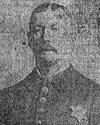
In the predawn hours of a mid-October morning in 1971, a 17-year-old African American teenager named Elton Hayes was a passenger in a truck being driven by his friend through the streets of Memphis, Tennessee. A high-speed chase with law enforcement officers shattered the quiet of the morning and set in motion a tragic chain of events that would end in a ditch on an isolated country road.
Initial reports from the officers involved claimed that the teenager's death was the result of a traffic accident, a narrative that quickly unraveled as the brutal reality of his injuries came to light.
Elton Hayes had been severely beaten, his skull shattered by forceful blows. The truth of his death at the hands of those sworn to protect the community sent shockwaves through a city still grappling with the assassination of Dr. Martin Luther King Jr. just a few years earlier. The violent end to a young life laid bare the persistent and deep-seated racial tensions that continued to plague Memphis. Protests erupted across the city as the African American community, weary of police brutality, demanded justice for the young man whose life was cut short.
The investigation that followed the outcry led to the indictment of several law enforcement officers. Three sheriff's deputies and one city policeman were charged with first-degree murder in the death of Elton Hayes. In connection with the beating of Hayes' 14-year-old companion, four other city policemen faced charges of assault with intent to murder. The subsequent trial of the officers became a focal point for the city, a test of its capacity for justice in a case that pitted law enforcement against the citizens they served and highlighted the stark racial divisions of the era.