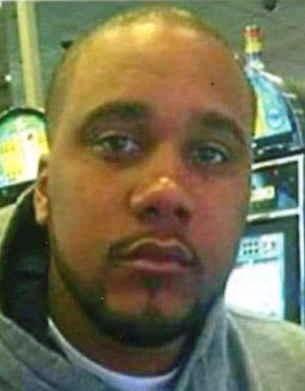
On a summer evening in Nashville, Tennessee, the life of a 25-year-old Black man named Daniel Edward Hambrick came to a sudden and violent end. It was July 26, 2018, when Hambrick encountered Metro Nashville Police Officer Andrew Delke. The officer was on patrol in a specialized unit looking for stolen vehicles when he attempted to pull over a white Chevrolet Impala. Though he lost sight of that car, he soon after spotted another white sedan and pulled up quickly near it.
As Delke's vehicle approached, Hambrick, who was in the vicinity, began to run.
A foot chase immediately ensued through a housing complex. Officer Delke, who is white, pursued Hambrick, shouting commands for him to stop. Investigators later confirmed that Hambrick was armed with a handgun. According to Delke's account, he saw the weapon and ordered Hambrick to drop it. The chase continued, and at a certain point, Delke stopped running, assumed a firing stance, and discharged his service weapon four times at the fleeing man. Three of the bullets struck Hambrick from behind: one in the back of the head, one in his back, and another in his left torso. Daniel Hambrick died from his injuries. The incident was not captured on body or dash cameras, but surveillance video from a nearby school recorded the fatal shots.
The shooting quickly drew public scrutiny and protests. In the aftermath, Andrew Delke was placed on administrative leave. The Tennessee Bureau of Investigation launched a probe into the incident. The surveillance footage, released by the District Attorney's office, showed Hambrick running with his back to the officer when the shots were fired. This footage became a central piece of evidence, raising questions about the necessity of deadly force. In September 2018, a criminal homicide charge was filed against Delke. A grand jury later indicted him on a charge of first-degree murder in January 2019.
The case was set for trial in July 2021, a proceeding that would have marked the first time a Nashville officer faced trial for first-degree murder for an on-duty shooting. However, just days before jury selection was to begin, a plea agreement was reached. Delke, who had resigned from the police department, pleaded guilty to the lesser charge of voluntary manslaughter. The plea deal, which the Hambrick family stated they were not consulted on, resulted in a three-year prison sentence. The agreement stipulated that Delke would not be eligible for parole. In court, Hambrick's mother, Vickie Hambrick, delivered an emotional victim impact statement, expressing her profound grief and anger over the loss of her only son and the terms of the plea deal. Andrew Delke served approximately 18 months of his sentence and was released in October 2022.