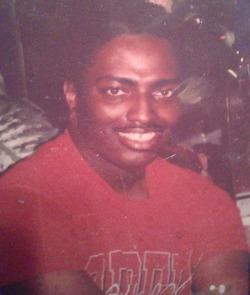
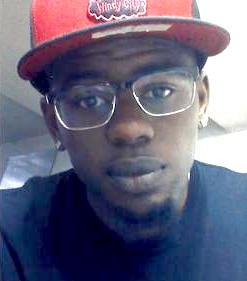
In St. Louis, Missouri, the life of Antwayne Bryant, a 45-year-old African-American man, was cut short by violence on August 19, 2017. On that day, Bryant was fatally shot, becoming another victim in a city grappling with a high number of homicides. His case is one of many that remain unsolved in St. Louis, a stark reminder of the challenges faced by law enforcement in bringing closure to families affected by violent crime.
The investigation into Antwayne Bryant's murder has been hampered by a lack of leads and limited witness cooperation, issues that commonly plague homicide cases in the city. The St. Louis Metropolitan Police Department has continued to appeal to the public for any information that might lead to a breakthrough in the case. Despite their efforts, progress has been slow, leaving Bryant's family, like many others, waiting for justice.
The struggle to solve cases like Bryant's is compounded by broader systemic issues, including budget constraints and backlogs of forensic evidence. These challenges contribute to low clearance rates for homicides in St. Louis. As of now, there have been no arrests made and no suspects have been publicly identified in connection with the shooting of Antwayne Bryant. His case remains open, with the hope that new information will one day emerge to hold his killer or killers accountable.