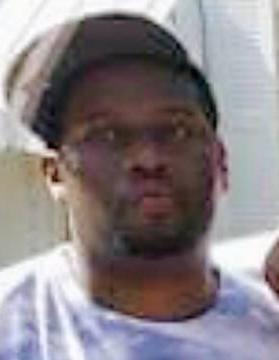
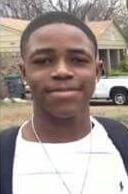
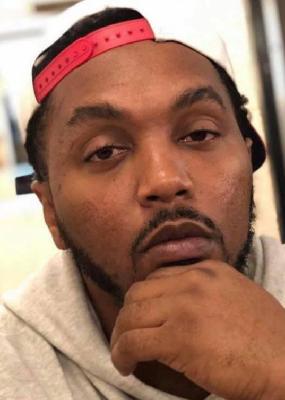
Javier Jefferson was a 22-year-old man from Memphis, Tennessee, whose life ended in gunfire on April 11, 2020, in South Memphis. That evening, the first calls brought officers to a grocery store parking lot near the 400 block of Buntyn at Midland. There, police found Jefferson dead, struck by a gunshot wound to the head. The violence hadn’t stopped with him: two other men were also hit in the same burst of shooting—one shot multiple times in the legs, another wounded in the foot—turning
what should have been an ordinary stop at a neighborhood lot into a frantic scene of sirens, scattered evidence, and desperate attempts to save the living.
Only minutes later, the city was hit again. Another report came in from the 1100 block of Wilson near East McLemore, where gunfire had erupted in front of a residence. At that second location, officers found a second homicide victim, 49-year-old James Coleman, killed by multiple gunshot wounds. A 23-year-old man was also wounded there, adding another survivor to a night that left families and neighbors reeling and investigators staring at two crime scenes that felt connected by more than timing.
Detectives eventually linked the shootings, treating them as parts of the same violent chain. Nine days after the killings, investigators took two suspects into custody: Tarvin Dean and Darrius Anderson. Prosecutors later moved the case forward through indictment, laying out a theory that placed Dean at the center of both deadly episodes. Dean, of Frayser, was indicted on two counts of first-degree murder and three counts of attempted first-degree murder, reflecting both the two deaths and the three surviving victims who were shot. Anderson was indicted as a codefendant on two counts of facilitation of first-degree murder and three counts of facilitation of attempted first-degree murder, describing a role the state alleged helped enable the same outcome without charging him as the primary shooter.
As the court process began to take shape, the case was assigned within the Shelby County District Attorney’s office to a prosecutor in the Special Prosecution Unit, a division known for pursuing harsh punishment in serious violent cases. While the criminal case worked through the system, Jefferson’s death was also marked in the quieter rhythms of mourning: funeral arrangements were handled through Superior Funeral Home in Memphis, with services held later that month, as those who loved him gathered to say goodbye while the city tried to make sense of how one April evening could produce two separate scenes of death so close together in time and place.