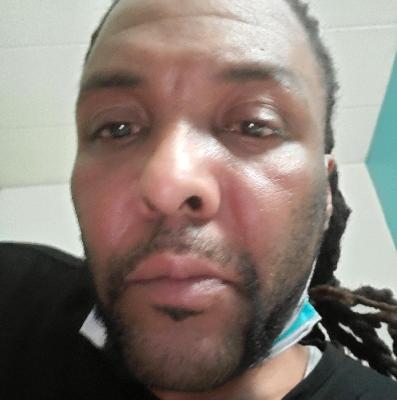
Alvin Motley Jr., a 48-year-old Black man from Chicago, was visiting family in Memphis, Tennessee, in August of 2021. On the evening of August 7th, he was a passenger in his girlfriend's car at a Kroger gas station in East Memphis. An argument began between Motley and a security guard, Gregory Livingston, over the volume of the music playing from their vehicle.
Livingston, a 57-year-old white man and a former police officer, confronted Motley about the loud music.
The verbal dispute escalated. Surveillance footage showed Motley, who was legally blind, getting out of the car and approaching Livingston. He was holding a beer can and a cigarette. As he walked toward the security guard, suggesting they talk 'like men,' Livingston drew his firearm. He commanded Motley to stop before firing a single shot into his chest. Motley, who was unarmed, died at the scene. Livingston then called 911 to report the shooting but did not render aid to the dying man. A witness later testified that Livingston had told him he had 'killed people before' and wasn't worried about the confrontation.
Gregory Livingston was arrested and initially charged with second-degree murder. Following a preliminary hearing and after further evidence, including the surveillance video, was presented to a grand jury, the charge was upgraded to first-degree murder. Due to a conflict of interest within the local prosecutor's office, a special prosecutor from Nashville was appointed to handle the case. Livingston's defense team argued that he acted in self-defense, claiming he feared for his life.
The trial began in late April 2024. Over several days, the jury heard testimony from witnesses, including Motley's girlfriend, and reviewed the security footage of the incident. The prosecution argued that the shooting was a needless act of violence and that Motley posed no physical threat to Livingston. On May 3, 2024, the jury found Gregory Livingston guilty of first-degree murder. He was subsequently sentenced to life in prison. A motion for a new trial filed by Livingston's lawyers was later denied by a judge.