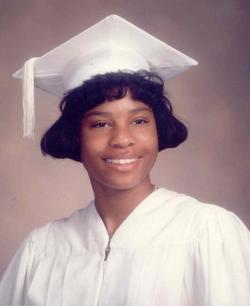
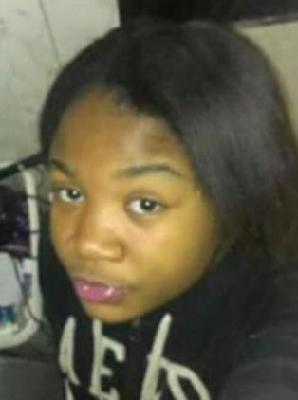
Keshana Lathem, a 6-year-old Black girl from Chester, Pennsylvania, was killed on October 24, 1987, after violence meant for someone else reached the doorway of the Congress Street home where she was staying. Online memorial sources identify her as having been lost to gun violence in Chester that day, and family memorials published years later remembered her as “our little angel” and said she had been taken from the family at the age of six.
The case centered on a shotgun attack in
which the intended target was not Keshana. According to a newspaper clipping preserved online, Shaikh Mohammed, 29, of Chester, also known as Larry Dallam, was accused of firing at James “Scoop” Jackson, a 20-year-old man who was described in court testimony as the intended victim. Jackson testified that he had been standing on a corner waiting for a drug buy when he saw Mohammed approaching shortly before 9 p.m. that night.
Inside the Congress Street residence, Jacqueline Cottman was visiting when she saw trouble building outside. She testified that she pulled the children into the house and yelled for everyone to hide in a bathroom, but Keshana did not make it there in time. As Mohammed fired at Jackson, Jackson ran up onto the victim’s porch. A projectile struck Jackson in the back, passed through his body, went through the front door, and hit Keshana in the head. Jackson was also shot in the leg during the attack.
Mohammed was later tried at the Media Courthouse. The preserved Daily Times report says a jury found him guilty of first-degree murder in Keshana’s killing and guilty of attempted murder for wounding Jackson. The verdict came after nearly a dozen hours of deliberation and was met with cries from relatives and friends of both Keshana and Mohammed. Mohammed maintained his innocence after the verdict and did not testify during the trial. Jackson, however, positively identified him as the assailant in court.
After the guilty verdict, the case moved toward the penalty phase. Prosecutors said Mohammed faced either life in prison or the death penalty for Keshana’s slaying. Assistant District Attorney Anthony John Whelan described the verdict as appropriate and said the prosecution was meant to send a message that drug-related violence catching children in the crossfire would be pursued aggressively, including with the death penalty where warranted. Mohammed’s defense attorneys, Russell Carmichael and Eileen Courtney, declined comment in the immediate aftermath of the verdict.
The same newspaper clipping reported that Mohammed asked Judge Melvin G. Levy for permission to speak to the jury immediately after the verdict, saying he wanted to speak from his heart and that he had been inspired by God. Levy denied the request and told him to wait until the next day, while the judge and defense attorneys indicated it would be in Mohammed’s best interest to wait and speak with counsel first. Mohammed insisted he had been convicted of something he did not do and said he did not want to put his mother through any more of the ordeal, but the judge again refused to let him address the jury at that moment.
Available online sources do not provide an arrest date or a complete final sentencing outcome in the materials located, but they do identify Shaikh Mohammed, also known as Larry Dallam, as the defendant found guilty of first-degree murder in Keshana Lathem’s death and of attempted murder in the shooting of James Jackson. The surviving public details portray Keshana’s death as the devastating result of a street shooting tied to a drug-related confrontation, with a child inside a home killed by a blast never meant for her.