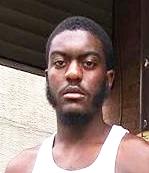
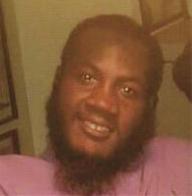
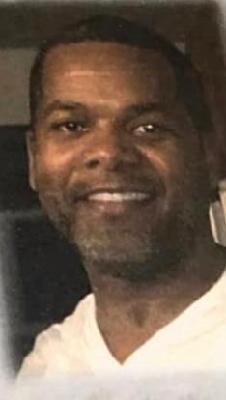
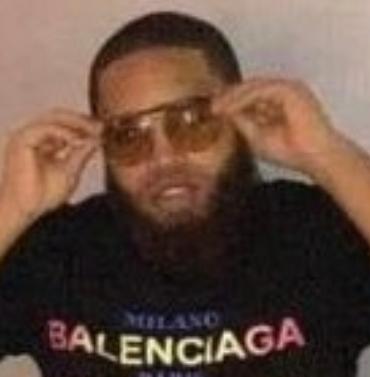
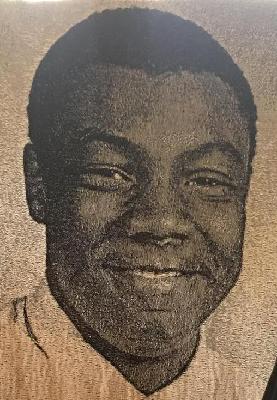
On December 28, 2000, 18-year-old African American male Tyrone Long Jr. was among seven individuals fatally shot in what became known as the Lex Street massacre, the deadliest mass murder in Philadelphia's history. The incident occurred in a dilapidated row house at 816 North Lex Street in the Mill Creek section of West Philadelphia. The assailants forced the victims to lie face down before executing them.
Alongside Tyrone Long Jr., the other victims included George Porter, 18; Calvin Helton, 19; Samuel "Malik" Harris Jr., 19; Ronnette Abrams, 33; Edward Sudler, 44; and Alfred Goodwin, 54. Three individuals survived the attack: Yvonne Long, 33; Bruce Carter, 45; and Greg Kilby, 37.
Initially, law enforcement arrested four men—Jermel Lewis, Sacon Youk, Hezekiah Thomas, and Quiante Perrin—charging them with the murders. However, due to insufficient evidence, all charges were dropped after the men spent 18 months in jail. They subsequently sued the city for wrongful arrest and received a $1.9 million settlement.
In 2002, authorities charged four new suspects: brothers Dawud and Khalid Faruqi, along with Shihean Black and Bruce Veney. Investigations revealed that the motive behind the massacre stemmed from a dispute over a car trade gone wrong. Black had exchanged a Chevrolet Corsica and $300 for George Porter's Dodge Intrepid. When Porter experienced issues with the Corsica and reclaimed his Dodge without compensating for the damages, tensions escalated, ultimately leading to the tragic shooting.
During the trial, both Faruqi brothers were convicted and received seven consecutive life sentences without the possibility of parole. Shihean Black also pleaded guilty and was sentenced to multiple life terms. Bruce Veney, who served as the getaway driver, pleaded guilty to third-degree murder and received a sentence of 15 to 30 years in prison. He was paroled in March 2019.
The Lex Street massacre remains a somber chapter in Philadelphia's history, highlighting the devastating consequences of violence and the profound impact on the victims' families and the community.