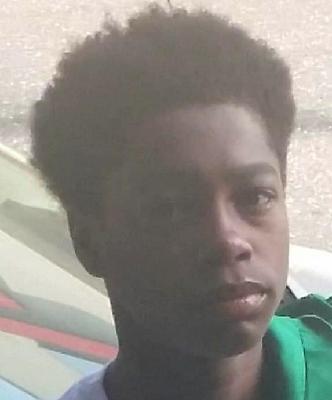
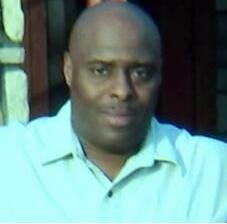
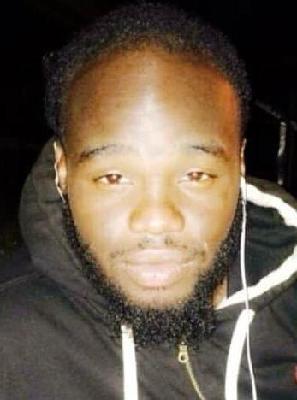
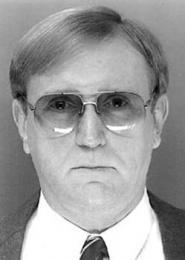
George Porter, an 18-year-old male of African American ethnicity, tragically lost his life on December 28, 2000, in Philadelphia, PA. His death was part of the infamous Lex Street Massacre, which remains the deadliest mass murder in Philadelphia's history. On that fateful day, ten people were shot inside a crack house on Lex Street, and seven of them, including George Porter, were killed.
The initial investigation into the massacre suggested it was due to a drug turf war.
However, further investigation revealed that the motive was actually a dispute over a car. George Porter had traded his Dodge Intrepid for a Chevrolet Corsica, but the car had mechanical issues, and Porter wanted his Dodge back. The situation escalated, leading to the tragic events of December 28, 2000.
Four suspects, Jermel Lewis, Sacon Youk, Hezekiah Thomas, and Quiante Perrin, were quickly charged, but there was insufficient evidence for prosecution, and charges were dropped after 18 months. In 2002, four different men—brothers Dawud and Khalid Faruqi, Shihean Black, and Bruce Veney—were charged and eventually convicted for their roles in the massacre. The prosecution made a plea deal with the brothers, giving them life sentences rather than the death penalty.
The Lex Street Massacre had a profound impact on the community and the city of Philadelphia. The victims' families and community members have continued to push for justice and to keep the memory of the victims alive. Tameka Porter, George Porter's sister, has been particularly vocal, using her music to honor her brother and shed light on the tragedy.
The case also led to a wrongful arrest lawsuit, and the four men who were initially charged received a $1.9 million settlement from the city for their wrongful arrests. The Lex Street Massacre remains a significant event in Philadelphia's history, and efforts to commemorate the victims and seek justice continue to this day.