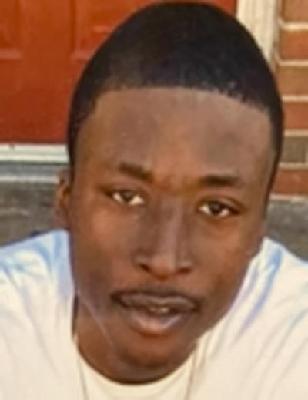
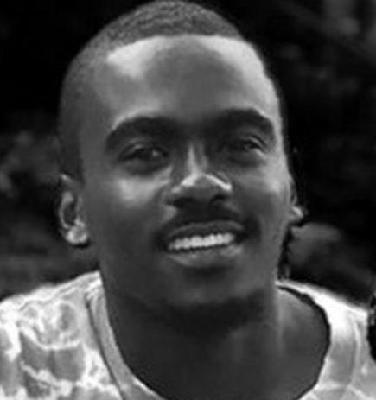
In the winter of 2000, a devastating act of violence cut short the life of 19-year-old Calvin Helton in what became the deadliest mass shooting in Philadelphia's history, an event that would later be known as the Lex Street massacre. On the night of December 28th, Helton, a young male with dreams of becoming a Navy SEAL, was in a rowhouse on Lex Street in West Philadelphia when masked gunmen stormed the residence.
The assailants rounded up ten individuals, forcing them to lie face down before opening fire. In the bloody aftermath, seven people, including Helton, were dead, and three others were critically wounded. The victims ranged in age from 15 to 54.
The initial investigation into the horrific crime was marred by misinformation and a rush to judgment. Law enforcement and prosecutors quickly attributed the massacre to a drug-turf war, a narrative that was widely reported and deeply pained the families of the victims, including Calvin Helton's mother, Veronica Conyers, who felt her son's name was being unjustly slandered. This theory led to the swift arrest of four men who, after 18 months of incarceration, were exonerated and released when it became clear that they were innocent. The case against them had been built on coerced confessions and flawed eyewitness accounts. The city would later pay a $1.9 million settlement to the wrongly accused men.
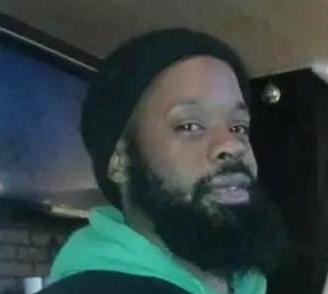
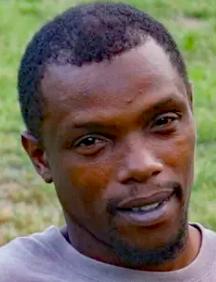
The true motive behind the senseless slaughter was eventually revealed to be a dispute over a car with a broken clutch. The investigation took a significant turn, leading to the identification of four new suspects: brothers Dawud and Khalid Faruqi, Shihean Black, and Bruce Veney. It was determined that a disagreement over a vehicle trade between George Porter, another victim, and Shihean Black had escalated with tragic consequences. On the night of the shooting, the four men went to the Lex Street house to confront Porter. When one of the assailant's masks slipped, a decision was made to eliminate all witnesses.
The resolution of the case brought a measure of justice for the victims and their families, though the pain of their loss remained. Bruce Veney, who served as the getaway driver, pleaded guilty to seven counts of third-degree murder and, in exchange for his testimony against his co-conspirators, was sentenced to 15 to 30 years in prison; he was paroled in March 2019. Shihean Black pleaded guilty to seven counts of first-degree murder and received seven consecutive life sentences without the possibility of parole. After a trial, brothers Dawud and Khalid Faruqi were also convicted on seven counts of first-degree murder and were each sentenced to seven consecutive life sentences, ensuring they would spend the remainder of their lives behind bars.