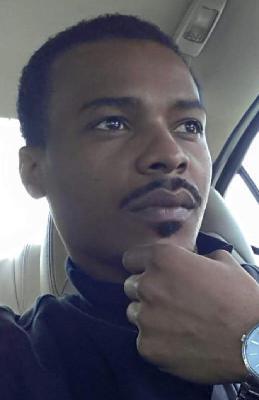
Mark Anthony DeShields, a 29-year-old male Air Force veteran from West Philadelphia, was killed in Chester, Pennsylvania, on January 27, 2012, during the dark, quiet hours before sunrise. He was staying at MinSec, a halfway house in the 200 block of East 12th Street, and by all public accounts, he was nearing the end of his court-ordered sentence there. That morning, he left the facility around 4:30 a.m.
for a simple and loving reason: he was taking his wife to work.
He had only traveled about one block from the halfway house when violence found him. Near 12th and Madison streets, outside the Madison Grille, gunfire erupted. What should have been an ordinary early-morning drive became the final moments of his life. Police were called to the area for reports of shots fired and found Mark wounded on the sidewalk. He was rushed to Crozer-Chester Medical Center, where doctors tried to save him, but he was pronounced dead at 5:14 a.m.
His death carried the kind of cruelty that leaves families and communities searching for answers long after the crime scene tape comes down. Mark was not out looking for trouble. He was not in the middle of some public confrontation that was later explained in detail by investigators. The information available publicly paints a much quieter, more heartbreaking picture: a young husband, an Air Force veteran, and a man close to completing a difficult chapter in his life stepped outside before dawn to help someone he loved, and within minutes he was gone.
For his family, that morning likely split life into a before and an after. Before, there was still time. There was still the possibility of Mark finishing his sentence, returning fully to his loved ones, and rebuilding whatever needed to be rebuilt. There was still a future where his wife could count on him coming back from a short drive. After, there was a hospital, a death notification, unanswered questions, and the heavy reality that someone had taken him from them in an act of gun violence.
Mark’s killing was reported as Chester’s second homicide of 2012 and Delaware County’s third homicide of that year. Those numbers place his death within a broader pattern of violence, but they do not capture the human loss. A homicide count cannot explain who Mark was to the people who loved him. It cannot measure the grief of a wife who lost her husband after he set out to take her to work, or the pain of relatives and friends who had to make sense of losing him so suddenly. It cannot describe the ache of knowing that he survived military service, came home, and was then killed on a city street before most people had even begun their day.
Authorities treated the case as an active homicide investigation. Chester police and Delaware County detectives were involved, including Chester Detective Robert Whitaker and Delaware County Detective Edward Kazlo, who were listed as contacts for information. Investigators asked members of the public to come forward if they knew anything about the shooting. That request suggests that from the beginning, answers may have depended on someone deciding to speak, someone sharing what they saw, heard, or knew about what happened near 12th and Madison that morning.
Publicly available information does not identify a named suspect in Mark’s murder. No publicly reported arrest, charges, trial, or conviction were found in connection with his death. The available record leaves the case without a clear explanation for why he was targeted, whether the shooting was planned or sudden, or who was responsible. That absence of answers is its own kind of wound. For the people who loved Mark, not knowing who killed him or why would only deepen the grief, leaving them not just mourning his death but also waiting for accountability.
Mark DeShields’ story is heartbreaking because it centers on a man who was so close to moving forward. He was near the end of his time at the halfway house. He had served in the Air Force. He had a wife he was helping in the early morning hours. His life had more chapters left, more chances for healing, more opportunities to be present with the people who cared about him. Instead, his future was cut short on a Chester sidewalk, and his loved ones were left with memories, questions, and the hope that someone with information might one day help bring the truth into the open.
His death should not be remembered only as a statistic from 2012 or as another unsolved act of violence. Mark was a person with ties, history, service, and people who mattered to him. He was someone’s husband, someone’s family, and someone whose life ended in a place where he should have been able to pass safely. The lack of public answers does not lessen the importance of his case. It makes it even more important to keep his name attached to the facts that are known: Mark Anthony DeShields was killed before dawn on January 27, 2012, in Chester, Pennsylvania, and the public record does not show that anyone has been held responsible for taking his life.