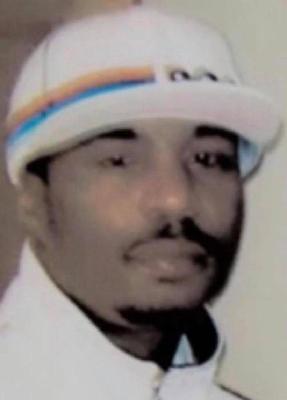
In the city of Chester, Pennsylvania, a community grappling with a series of unsolved homicides was further shaken by the violent death of Larry Douglas Carter. On May 5, 2010, the 33-year-old African American man's life was cut short by a burst of gunfire on Franklin Street. His death was not an isolated incident but part of a wave of violence that spurred community action, including the 'Chester 12' initiative created by the group Women of Strength for Change to draw attention to these
unresolved cases and seek justice for the victims. Carter was one of many whose lives were tragically lost to gun violence in the area.
The investigation into Carter's murder eventually led to a significant breakthrough. A Chester man named James Armstrong was identified as the perpetrator and subsequently charged not only with Carter's death but also with two other killings. The case against Armstrong was built on witness testimonies, which proved crucial despite the challenges of bringing the case to court. One witness passed away before the trial could begin, and another fled the area, highlighting the fear of retaliation that often plagues such investigations in communities struggling with violence.
Ultimately, justice for Larry Carter was served in a courtroom. James Armstrong was convicted of the murder and sentenced to life in prison, with additional years added to his sentence for the other crimes he committed. During the legal proceedings, prosecutors described Armstrong as a ruthless killer who showed no remorse for his actions. The conviction brought a measure of closure to Carter's family, who had been vocal about their pain and their hope for justice. While one perpetrator was held accountable, the broader effort to address the root causes of violence and solve other cold cases in Chester continues.