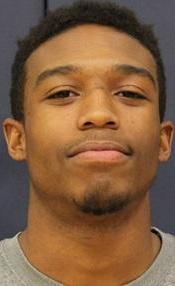
In the quiet evening of February 21, 2017, in the Uansa Village area of McKees-rocks, PA, the life of 17-year-old Jihad Cromer, a male former basketball player for Sto-Rox High School, was tragically cut short. Inside a residence on Robb Avenue, a group of young people were gathered, passing the time playing video games. The friendly atmosphere took a dark turn when a single gunshot echoed through the room. Jihad was struck in the head by the bullet and was rushed to a local hospital, where he succumbed to his injuries later that night. The promising young man, remembered by friends as someone without an enemy in the world and a mentor to younger children, was gone.
The initial moments after the shooting were filled with confusion and fear, with several individuals who were present fleeing the scene. The investigation, led by Allegheny County Homicide Detectives and Allegheny County Housing Authority Police, quickly focused on 19-year-old William Hoston of the West End. In the days following the shooting, a narrative of a tragic accident began to emerge. Hoston, who was at the apartment with Cromer and others, had been handling a handgun. According to his account to the police, he was in the process of disassembling the firearm, believing he had made it safe by removing the magazine clip, when it accidentally discharged. The bullet struck Jihad, who was in the same room.
Overcome with what had happened, Hoston fled the scene in a state of panic. However, his conscience appeared to weigh heavily on him. The day after the shooting, he reached out to Jihad Cromer's mother to express his profound remorse and apologize for the devastating event. This communication, along with information from the community, led investigators to identify Hoston as the primary suspect. Rather than waiting to be apprehended, William Hoston contacted the authorities himself and surrendered, telling them his location. When taken into custody, he maintained that the shooting was a terrible accident.
William Hoston was arrested and charged with criminal homicide and a weapons violation. At his preliminary hearing in March 2017, he was ordered to stand trial. The court proceedings brought to light more details about the incident, with Hoston's defense attorney steadfastly arguing that the shooting was 'one thousand percent an accident.' The case concluded not with a lengthy trial, but with a negotiated plea agreement. In October 2017, William Hoston pleaded guilty, and as a result of the agreement, he was sentenced to serve two and a half to five years in prison for his role in the death of Jihad Cromer. The resolution of the case brought a measure of closure to a tragedy that deeply affected the McKees-rocks community.