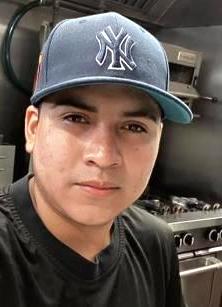
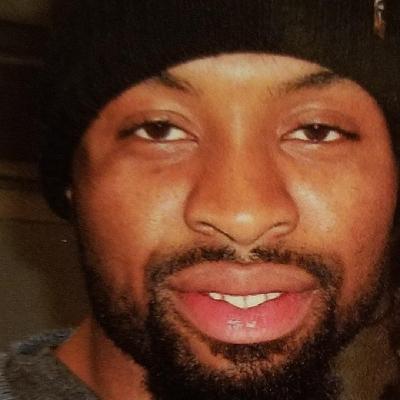
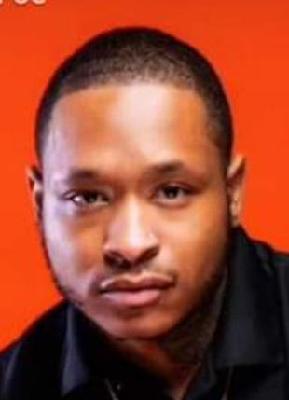
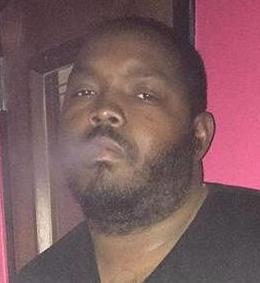
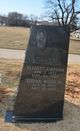
Kenneth Ferguson III, a 28-year-old Black/African American male from Philadelphia, was killed on September 28, 2019, after what began as a meeting inside a vehicle in South Philadelphia ended in gunfire. That Saturday afternoon, Ferguson was in a black Ford Explorer with his cousin, Melquan Davis, in the front passenger seat. Two men, later identified as Jihad Lewis and Kalif Bronzell, got into the back seat after arranging to meet Ferguson.
Investigators later described the encounter as a drug deal that turned into a robbery.
The group drove around the area before stopping on the 2200 block of South Croskey Street. According to court records, Lewis tried to use a counterfeit $100 bill during the transaction, and when Ferguson rejected it, Lewis and Bronzell pulled out firearms and demanded that he “give it up.” Ferguson refused. Lewis then shot Ferguson once in the neck from the back seat. After the gunshot, Bronzell and Davis fled from the vehicle, and the Ford Explorer rolled forward until it crashed into a pole near 2248 South Croskey Street. Lewis also ran from the car after it stopped. A Ring camera from a nearby home captured the sound of the shot, people fleeing, and the vehicle rolling forward after Ferguson had been wounded.
Philadelphia police responded at about 4:05 p.m. and rushed Ferguson to Jefferson Hospital, where he was pronounced dead. The medical examiner later determined that Ferguson died from a perforating gunshot wound to the left side of his neck and ruled the manner of death a homicide. Crime scene investigators recovered evidence from the SUV, including a projectile lodged in the radio screen, a. 40 caliber Smith & Wesson fired cartridge casing from the back passenger-side seat, a loaded. 357 magnum revolver on the driver’s-side floor, money, an iPhone, headphones, oxycodone, and small jars of marijuana.
Investigators pieced the case together using surveillance video, phone data, witness statements, and ballistic evidence. Footage from private residences, Karlina’s Grocery, and a Conoco gas station helped police identify Lewis and Bronzell. Court records say Ferguson’s phone data showed multiple calls with Bronzell shortly before the shooting. Police also found that after the shooting, Lewis and Bronzell went to Lewis’s home on South 22nd Street, less than a block from the crime scene, and left minutes later in different clothes, a detail prosecutors argued showed consciousness of guilt.
Lewis was arrested in October 2019. When police searched his home, they recovered sixteen rounds of. 40 caliber Smith & Wesson ammunition from a rear bedroom. A firearms examiner later determined that the projectile recovered from the SUV’s radio screen and the fired cartridge casing were consistent with being fired from the same. 40 caliber firearm, and the ammunition recovered from Lewis’s home was the same type used in the murder weapon. After being advised of his rights, Lewis admitted he had been inside the car but claimed he got out before the shooting.
Davis, Ferguson’s cousin and the front-seat passenger, became a key witness. He initially gave police a statement that court records described as less than forthcoming, but later identified both Lewis and Bronzell and said Lewis was the shooter. Davis missed multiple court proceedings and was eventually held as a material witness. At trial, he testified that he was afraid and had been threatened by people on social media and in jail. Despite defense arguments attacking his credibility, the courts found that his testimony was supported by video evidence, phone records, and ammunition recovered from Lewis’s home.
Lewis was convicted by a jury in August 2021 of first-degree murder, robbery, firearms offenses, conspiracy to commit murder, and conspiracy to commit robbery. On October 12, 2021, he was sentenced to life in prison without the possibility of parole for first-degree murder, along with concurrent sentences for the other convictions. Bronzell was also arrested and charged with murder and related offenses, but he entered an open guilty plea to third-degree murder and conspiracy. He was sentenced to concurrent terms of 6 to 30 years in prison.
Lewis appealed his conviction and sentence, arguing at different points that the evidence was insufficient or that the verdict was against the weight of the evidence. The Pennsylvania Superior Court rejected those challenges and affirmed the judgment of sentence. In a later 2024 decision, the court again upheld the sentence, finding no abuse of discretion and noting that the evidence against Lewis included the eyewitness identification, surveillance video, phone data, and ammunition tied to the same type used in the killing.