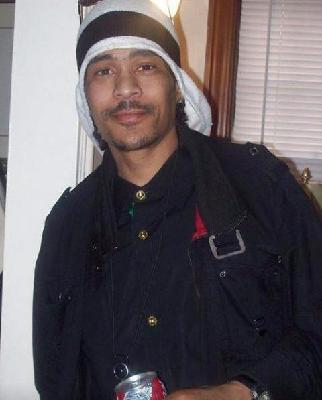
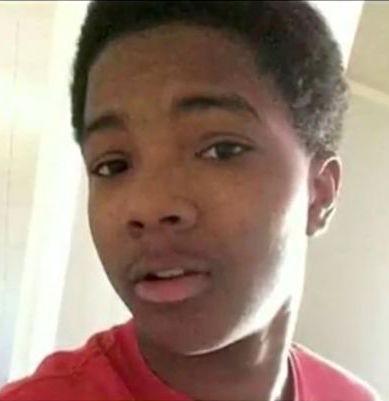
Brian Bernard “King of Colors” Dunson was 22, a Black male from Detroit, Michigan, and the little that remains publicly about his final hours feels like a door left ajar on a life that should have had so much more time. His name still carries warmth and color in that nickname, a small flash of personality preserved against the cold simplicity of what followed.
Late in March 2011, Detroit’s record of violence caught up with him. One account places the killing on March 26, 2011 at 4578 Allendale Street, while another lists March 27, 2011 as the date of death, the kind of discrepancy that often happens when tragedy stretches across midnight and into the next day. However the clock turned, the outcome was the same: a life ended and a family’s world split into before and after.
Allendale becomes more than an address when you imagine what it meant in the moment—streetlights, quiet corners, the familiar feel of a neighborhood that can turn suddenly unfamiliar. It’s hard not to picture the ordinary details that might have surrounded him earlier that day: plans made casually, conversations left unfinished, the everyday confidence of assuming tomorrow will arrive the way it always has. And then, without warning, the world that held him did what the world so often does in these stories—it took him away.
What makes the loss feel even heavier is how little of the “why” and “who” has survived in public view. There is no widely available, enduring narrative that explains what led to the fatal encounter, no clear motive that stands out in the record, no detailed account that stitches the moments together from start to finish. The absence itself becomes part of the story, leaving only fragments where answers should be.
In the information available, there are no documented arrests, no publicly identified suspects, and no visible court proceedings tied to his death. It reads like an unfinished page—one of those cases where people who loved him are left to carry not only grief, but the exhausting weight of not knowing, of waiting for clarity that never arrives in the places the public can see.
And yet he was never just a line in a list. The small details that remain—his full name, the nickname that suggests brightness and style, his birth date of September 17, 1988—hint at a person with presence, someone remembered for more than the manner of his death. “King of Colors” sounds like someone who wanted to stand out in a world that tries to blur people into the background, someone who brought a certain energy into the rooms he entered.
When a person dies this way, the loss ripples outward: family members who replay the last conversations, friends who catch themselves reaching for the phone, a neighborhood that absorbs another wound, and a city that keeps moving even as it accumulates names. The most painful part is that the story the public can access ends too soon, stopping at dates and an address, while the real story—the one filled with laughter, habits, hopes, and everyday love—belongs to those who knew him and still speak his name.
Brian Dunson’s death sits in that space where tragedy meets silence, where the heart searches for a reason and finds only the stubborn fact of what happened. What remains is the memory of a person, a nickname that refuses to be dull, and the quiet insistence that his life mattered—more than the limited record can ever capture, and more than the violence that took him can ever define.