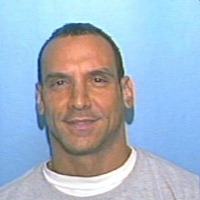
William Joseph “Billy” Lavaco was a 21-year-old white man from the Doylestown area of Ohio whose life was cut short in a brutal double homicide in Norton in early August 1977, with official records listing his death as August 6, 1977. He spent that weekend with his girlfriend, Judith Straub, a local teenager he had been dating for many months, and the two moved in the easy orbit of small-town bars and country roads, part of a close-knit circle of friends and family who never imagined they
would become the center of a murder case that would haunt the community for decades.
In the early hours of a Saturday, the couple was last seen near the Valley Inn, a neighborhood hangout where young people gathered to drink, talk, and linger into the night. When they did not return, concern grew, and before long their absence hardened into fear. Lavaco’s car was found abandoned in Silver Creek Metro Park, and Straub’s car and belongings—including her purse and valuables—were discovered nearby, an eerie stillness replacing what should have been the mundane clutter of a weekend outing. On Monday, August 8, searchers combing the park’s high weeds and wooded areas came upon the bodies of the missing couple lying on the ground in a remote section of the park, the discovery bringing a sudden, devastating finality to their disappearance. Both had been killed by a single close-range shotgun blast to the neck, their lives ended with clinical, shocking violence in an otherwise quiet stretch of nature.
Investigators descended on Silver Creek Metro Park, working through dense brush and murky water in a painstaking search for the murder weapon. Scuba divers swept the nearby lake and streams, while detectives reconstructed the couple’s last known movements from bar to park. Inside the car and in the area around it, they found valuables—reportedly more than four hundred dollars’ worth of items—which led them to rule out robbery as the primary motive. It was as if whoever pulled the trigger had come to that dark patch of parkland for the sole purpose of killing, then vanished back into the world without bothering to stage a theft or disguise the crime.
For a time, suspicion turned toward a local man, Dennis Busson, whose name surfaced in connection with a volatile argument that witnesses later described to police. According to accounts preserved in local historical summaries of the case, a witness named Jay Starcher told investigators he had seen Busson arguing with Lavaco in a car about what he believed was cocaine. As the dispute escalated, Starcher reportedly saw a flash of light and watched the driver slump over, after which the others in the vehicle—including Straub—fled into the woods in terror. The same summaries recount that Busson had been arrested earlier that day on a minor charge involving an open container, and, upon his release, was quoted as threatening that he was “going down to get Billy” and then coming back for the officer he addressed. He was questioned repeatedly and even passed multiple polygraph examinations, but despite the ominous statements attributed to him and the dramatic witness account, the investigation did not yield a prosecution that would stick. The case, burdened by conflicting stories and a lack of definitive physical evidence tying any one suspect to the crime, gradually cooled, becoming one more unsolved double homicide in the files of Summit County.
More than thirty years later, the story of the murders took an unexpected turn when an aging drifter and con man named Edward Wayne Edwards, already facing prosecution in Wisconsin for another double homicide, reached out from a Wisconsin jail to authorities in Ohio. In 2010, Edwards wrote a letter to the Summit County prosecutor claiming he had information about an old double killing in Norton’s Silver Creek Park, a crime that investigators quickly recognized as the Lavaco–Straub case. When Norton detectives and a representative from the prosecutor’s office traveled to interview him, Edwards confessed to shooting Lavaco and Straub at close range and leaving their bodies in the park, offering details about the crime and the scene that had never been made public and that reinforced the conclusion that he was the killer.
An Ohio grand jury indicted Edwards on two counts of aggravated murder, and prosecutors in Ohio and Wisconsin coordinated a plea arrangement that would resolve both states’ cold cases. In a series of courtroom appearances that drew national media attention, Edwards pleaded guilty to killing Lavaco and Straub in Ohio and to another young couple in Wisconsin, bringing formal closure to four murders that had lingered unsolved for decades. In Summit County, he received two life sentences for the Silver Creek Park murders, to be served before any Wisconsin punishment, effectively ensuring that he would spend the rest of his life in prison. Even then, Edwards offered little insight into why he had targeted the couple, and accounts of his sentencing note that he never provided a clear motive for the killing, leaving the deeper “why” of Lavaco’s death lodged in the realm of speculation and grief.
For Lavaco’s family and the small communities of Doylestown and Norton, the guilty plea finally answered the most basic question of who pulled the trigger in the park that summer night, even as it could never restore the life that was lost. Friends and relatives remembered him and Judith as well-liked young people whose futures had been abruptly erased, and the long road from the first frantic missing-person calls in August 1977 to the courtroom admissions in 2010 traced a story of fear, rumor, false leads, and, ultimately, a belated measure of justice.