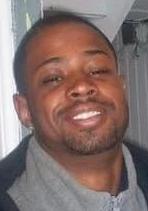
Christopher Stinson, a 29-year-old man from Detroit, was killed on May 8, 2013, after a short walk home turned into an ambush on the city’s northwest side. He had just left a Citgo gas station near Lahser and Grand River, heading along Lasher Road near Six Mile, when someone called out his name from behind. He turned toward the voice, and a shot struck him in the chest, dropping him where he stood.
In the days that followed, the people closest to him described a life that had been built around service and family—he was a Navy veteran who had enlisted young, and at home he was a husband and a father. The violence that ended his life felt, to them, both sudden and personal: the killer didn’t fire into a crowd or into a house, but waited for a moment when Christopher would recognize the voice and instinctively turn.
As months stretched into years, the case hardened into an absence—no public suspect name, no announced arrest, and no clear motive offered by investigators in the information shared publicly. His family returned again and again to the same belief: that someone in the neighborhood saw something, heard something, or knew exactly who had been standing in the dark when Christopher’s name was called. They took that plea to Crime Stoppers events and press conferences, asking for the one detail that could crack the silence.
His widow, Toya Stinson, and other relatives spoke about the everyday milestones that now arrived without him—children growing up, birthdays passing, doors knocking without bringing the person they kept hoping might finally come home. In their telling, the crime didn’t end with the gunshot; it lingered in the waiting, in the unanswered questions, and in the strain of teaching their sons how to live with a hole in their family that never closed.
To keep the investigation alive, Crime Stoppers publicized reward money for information leading to an arrest, and later appearances tied the case to broader cold-case appeals in Detroit, with community members urged to speak up and remain anonymous. But in the publicly available reporting and case summaries, the story ends where it began—on Lasher Road after a voice called his name—with the person or people responsible still not publicly identified, and no reported arrests or charges announced in connection with his killing.