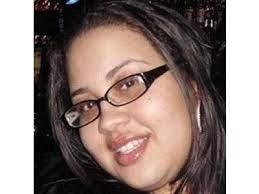
Charlene Bullock King, a 49-year-old African American woman, tragically lost her life on May 4, 2010, in Durham, North Carolina. She was shot and killed by her ex-boyfriend, Burnette Taylor, at the Duke Health Center where she worked as a phlebotomist for 27 years. The incident occurred just before 3 p.m. at the corner of North Duke Street and Frasier Street, north of I-85 near the Durham Regional Hospital.
Witnesses reported hearing four shots, and medical staff attempted to revive her, but she was unconscious. Charlene was described as a very sweet person who didn't deserve such a fate. She had recently ended her relationship with Taylor, which may have triggered the violent act.
Burnette Taylor, a 52-year-old African American man, had a long criminal record, including convictions for second-degree rape, kidnapping, car theft, larceny of firearms, resisting arrest, and drunk driving. He was a registered sex offender and had been accused of assault by another woman the previous year. After the shooting, Taylor fled the scene on foot, leading to a police chase. He engaged in a gun battle with officers near the corner of Broad and Carver streets and was shot by the police. Taylor was taken to Duke Hospital, where he later died. The North Carolina State Bureau of Investigation assisted in the case, as is standard in any officer-involved shooting.
Charlene's autopsy revealed that she had been shot six times in the chest, stomach, back, and buttocks. The damage to her lungs and heart from these wounds ultimately led to her death. The tragic incident highlighted the dangers of domestic violence and the need for better protection for victims. Charlene's stepson, Steven Shealey, expressed his grief and disbelief, stating that she was a precious jewel who didn't deserve such a tragic end. The case also brought attention to Taylor's history of violence and the challenges faced by law enforcement in tracking down and apprehending individuals with a history of criminal behavior.