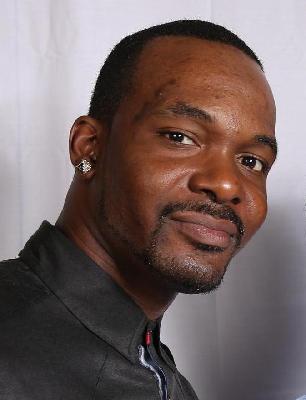
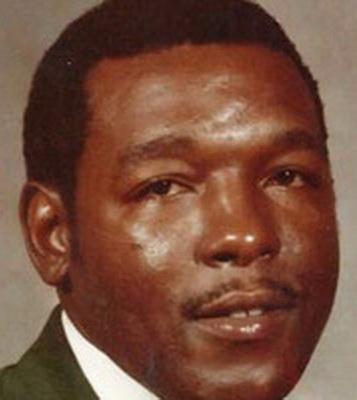
Marcus Jackson, a 23-year-old African American male from Durham, North Carolina, was fatally shot on March 19, 2019. The incident occurred at the Lenox West apartments, located in the 200 block of Remington Circle. Durham police responded to a shooting call at approximately 1:15 a.m. and found Jackson suffering from a gunshot wound. He was immediately transported to a local hospital, where he later succumbed to his injuries.
The investigation revealed that the shooting was not a random act of violence.
Following the incident, Durham police arrested Shajuan Dwatray Ervin, a 25-year-old African American male, in connection with the murder. Ervin was charged with murder and taken into custody at the Durham County Jail. The authorities confirmed that the shooting was not random, suggesting a possible motive or prior connection between the victim and the suspect. The case garnered significant attention in the local community, as residents expressed their concerns about safety and the prevalence of gun violence in the area.
The legal proceedings against Shajuan Dwatray Ervin began shortly after his arrest. The prosecution presented evidence linking Ervin to the crime, including witness testimonies and forensic analysis. The defense, on the other hand, attempted to challenge the credibility of the evidence and argued for a lesser charge. The trial was closely followed by the local media, with updates on the case being reported regularly. The court ultimately found Ervin guilty of murder, and he was sentenced to a lengthy prison term.
The tragic death of Marcus Jackson highlighted the ongoing issue of gun violence in Durham and prompted calls for increased efforts to address the root causes of such incidents. Community leaders and activists advocated for more comprehensive measures to prevent gun violence, including improved access to mental health services, educational programs, and stricter gun control laws. The case also underscored the importance of community engagement and cooperation with law enforcement to ensure the safety and well-being of all residents.