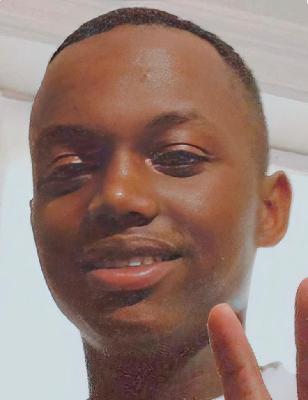
Vaniaro Jackson, a 19-year-old Black male from Gonzales, Louisiana, was inside New St. John Fellowship Church on the night of March 10, 1999, when a domestic crisis spilled into the sanctuary and turned a familiar midweek gathering into chaos. People were seated for Wednesday-night prayer and Bible study when a gunman forced his way in, and the room—filled with adults and children—shifted from ordinary quiet to frantic confusion in seconds.
Earlier that evening, the shooter had already killed his mother-in-law outside her home, then compelled two men at gunpoint to drive him to the church to find his estranged wife. Those men managed to rush inside first to warn the pastor and call police, but the warning came only a heartbeat ahead of the violence. Inside the church, shots rang out, the gunman reloaded, and the firing continued long enough to leave multiple people down and others scrambling for cover.
Jackson was not the gunman’s family target, but he was seated close enough to be trapped in the line of fire—next to the shooter’s wife and young son. Court records describe him as the person seated beside them, and the autopsy findings noted he was killed by a single gunshot wound to the head. By the end of the burst of gunfire in the church, three people there were dead and several others were wounded; reports from the time described additional victims in critical and stable condition as the community tried to understand what had just happened.
The suspect, Shon Miller Sr., fled on foot and was located hiding in a nearby shed as law enforcement surrounded the area. Negotiations failed, and officers ultimately disarmed him by shooting his weapon out of his hands; during the arrest, an officer tripped and a gun discharged, striking Miller in the back and leaving him paralyzed from the waist down. From the beginning, there was no mystery about the identity of the shooter—witnesses, the immediate police response, and the sequence of events centered the case on Miller and his actions across the two locations that night.
Miller was arrested and charged with four counts of first-degree murder, including Jackson’s killing. A jury convicted him in 2000 and returned death sentences, but the Louisiana Supreme Court later reversed those convictions and sentences in 2007, ruling that trial-court decisions had wrongly prevented the jury from considering a plea involving insanity, and the case was sent back for a new trial. In 2008, the case ended with a guilty plea: Miller pleaded guilty to four counts of first-degree murder in exchange for life sentences, and the plea was described as final and not appealable, with family members agreeing to the life-sentence resolution rather than pursuing the death penalty again.