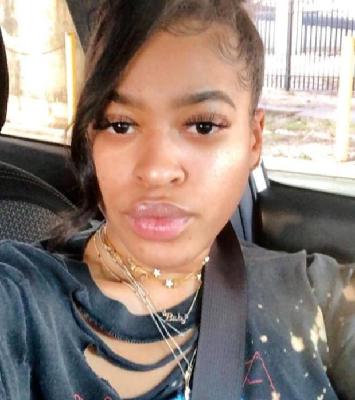
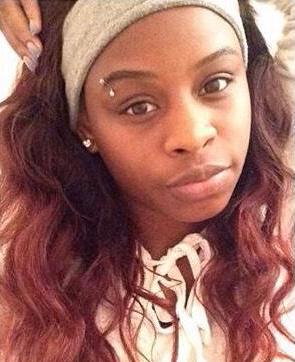
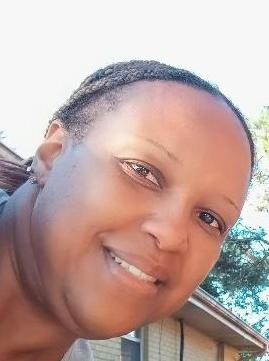
On a day that should have been filled with the vibrant energy of New Orleans bounce music, 28-year-old African American female Renetta Yemika Lowe-Bridgewater, known to many as Magnolia Shorty, was tragically silenced. On December 20, 2010, the prominent figure in the city's music scene was brutally murdered in a targeted attack that sent shockwaves through the community. She was in a car near her home with 25-year-old Jerome 'Man Man' Hampton when they were ambushed. The vehicle was riddled with bullets, and both occupants were pronounced dead at the scene, having been struck multiple times in what was described as a drive-by shooting.
The brazen and violent nature of the crime prompted a significant response from law enforcement, with the investigation eventually being taken over by the New Orleans FBI Gang Task Force. The case unfolded over several years, highlighting the persistent issue of gang violence in the city. A breakthrough came with the indictment of multiple suspected members of the '39er's' gang in August 2014. The prosecution's case was significantly bolstered by the testimony of a confidential informant from within the gang, Gregory “Rabbit” Stewart. His cooperation was crucial in detailing the involvement of his fellow gang members in the double homicide.
The legal proceedings culminated in the conviction of several individuals on various charges. Specifically for the murders of Renetta Lowe-Bridgewater and Jerome Hampton, two men, McCoy “Rat” Walker and Terrioues “T-Red” Owney, were found guilty. In February 2017, nearly seven years after the fatal shooting, a U.S. District Judge sentenced both Walker and Owney to life in prison, bringing a measure of justice to the families of the victims and the grieving New Orleans community. The case underscored the complex and often lengthy battle to hold perpetrators of violent crime accountable. Even with the convictions, the loss of a vibrant artist and beloved community member continues to be felt.