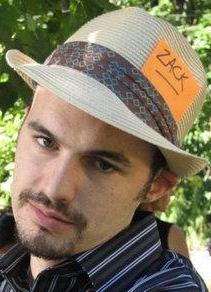
In the spring of 2013, a story of a fatal encounter unfolded on the streets of New Orleans. Zachary Carpenter, a 30-year-old male, lost his life on the evening of March 29th in a violent incident that stemmed from a drug transaction gone awry. The events of that night in the Gentilly neighborhood would culminate in a young man's death and a teenager facing the gravest of charges.
The narrative of that fateful Friday began to come into focus as investigators pieced together the moments leading up to the tragedy. Carpenter had arranged to meet 18-year-old Darryl Watson for the purpose of selling him marijuana. The two met on Elysian Fields Avenue, but the exchange quickly devolved into a deadly confrontation. Believing he was being cheated in the deal, Watson produced a handgun as Carpenter attempted to drive away.
A single gunshot shattered the evening quiet, finding its mark and striking Carpenter in the head. The impact caused him to lose control of his vehicle, which then veered off the road and crashed into a tree before catching fire. When authorities arrived at the scene, they found Carpenter unresponsive in the driver's seat. His life was pronounced over at the scene of the crash, a tragic end to a dispute over a small amount of marijuana. The initial call to police was about a car fire, but the discovery of the gunshot wound quickly turned the investigation into a homicide case.
In the days that followed, the New Orleans Police Department worked diligently to identify and apprehend the person responsible for Zachary Carpenter's death. Their investigation led them to Darryl Watson, who was taken into custody the following Wednesday. During questioning, Watson confessed to the shooting, providing investigators with his account of the events that transpired. He was subsequently arrested and booked on a charge of first-degree murder. While details of the arrest and confession were made public, the ultimate disposition of the case against Darryl Watson, including the trial and any subsequent conviction, are not detailed in the available online sources. The narrative of what happened on that March night is clear, but the final chapter in the legal proceedings remains publicly untold.