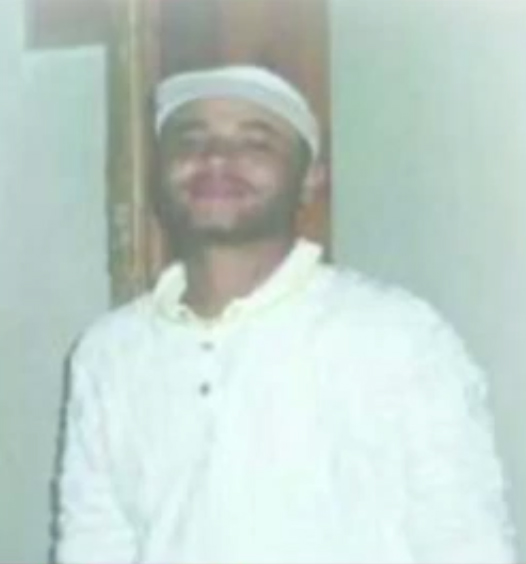
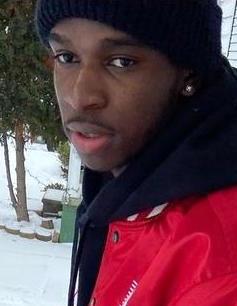
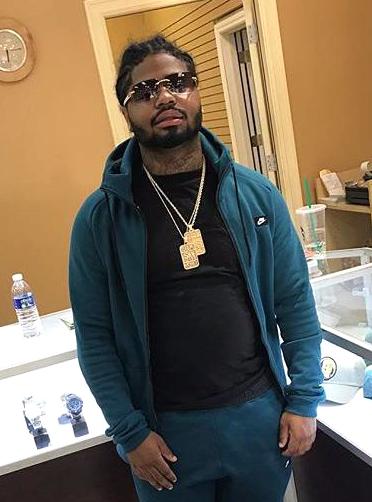
Leondrey Leroyce Brown Sr., a 26-year-old Black man known affectionately to friends and family as "Drey," was a father whose life was violently taken in Detroit, Michigan, on Wednesday, September 28, 2016. His death is one of hundreds of homicides that occurred in the city that year, a statistic that does little to capture the personal loss experienced by his loved ones who are still waiting for answers.
Details surrounding the circumstances of Leondrey’s murder have remained scarce in the years since his death. The incident was investigated by the Detroit Police Department, but official reports have not publicly specified the exact location, time, or motive behind the attack. It is known that he died from injuries sustained in a homicide, but what led to the fatal encounter and who was responsible remains an agonizingly open question. Without witnesses coming forward or significant evidence being publicized, the narrative of his final day is tragically incomplete, leaving a void for his family and community.
The city of Detroit has long contended with a high number of homicides, and in 2016, the year Leondrey was killed, the city saw more than 300 such cases. This volume places an immense strain on law enforcement resources, making it difficult to solve every crime. When initial leads dry up, cases like Leondrey's can quickly go cold, joining thousands of others in the archives of the Detroit Police Department's cold case unit. These unsolved files represent not just statistics, but enduring tragedies for families who live in a state of suspended grief, unable to find closure while a killer remains free.
In the years following Leondrey's death, there has been no public announcement of any arrests, suspects, or persons of interest. The investigation has not yielded any charges or convictions, leaving the case open but inactive. The lack of progress is a heavy burden for those who knew and loved Leondrey, compounding their loss with the frustration of an unresolved injustice. For investigators, solving a cold case often depends on a new piece of information, a technological advancement in forensic science, or someone with long-held knowledge finally deciding to speak up.
The public record contains little about Leondrey’s personal life—his work, his interests, or the memories he created with his family. No obituaries or family statements have been located that might offer a glimpse into the man he was and the future that was stolen from him. Similarly, there have been no widely reported vigils, memorials, or fundraisers held in his name, which sometimes serve to keep a case in the public consciousness and generate new leads.
As of today, the investigation into the murder of Leondrey Brown remains unsolved. His case is a somber testament to the devastating impact of gun violence and the painful reality of the nation's many cold cases. Without new information, the path to justice for Leondrey and his family remains unclear.