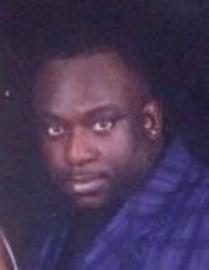
Ezell Hunter, a 56-year-old Black man, died on May 14, 2016, in Shreveport, Louisiana, after a shooting that unfolded on Argyle Street. In the early hours of that Saturday, first responders were dispatched to the neighborhood and found a man suffering from gunshot wounds. He was rushed to University Hospital as officers began trying to piece together what had happened, working a scene that, by daybreak, had already started to go quiet again.
Public accounts from the time describe a city
already tense from a recent spate of gunfire, and that Argyle Street call landing like one more jolt in a long, uneasy stretch. What exactly sparked the violence in Hunter’s case—whether it began as a dispute, an ambush, or something else—was not laid out in the reports available online, and the details that might explain who was with him in those moments, or why he became a target, were not widely published.
As the investigation moved forward, the only clear thread in the available reporting was what investigators did not yet have: an arrest. Police had not announced anyone in custody in connection with the Argyle Street shooting in the immediate aftermath, and the search for a suspect—or suspects—was still described as active. No publicly available updates tied to this incident were found online that named a shooter, detailed formal charges, or described a trial or conviction related to Hunter’s death.
In the days that followed, the public record shifts from the street where he was shot to the routines of mourning. Funeral arrangements were handled through Jenkins Funeral Home, with services held May 21, 2016, at First Baptist Church in Mansfield, and burial at Union Cemetery Annex in Mansfield. The online trail left behind by the case is sparse—enough to confirm his death and its violent setting, but not enough to show that the person responsible was ever publicly identified or brought before a court.