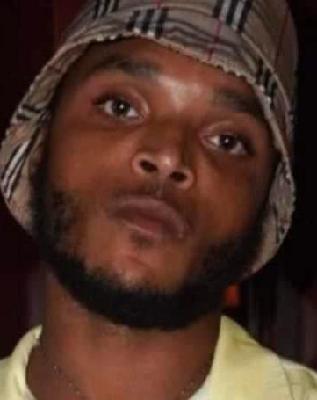
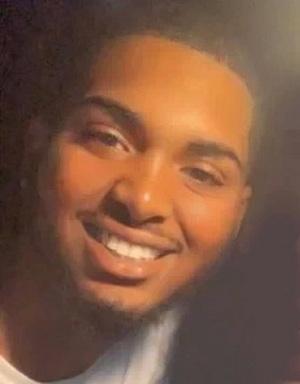
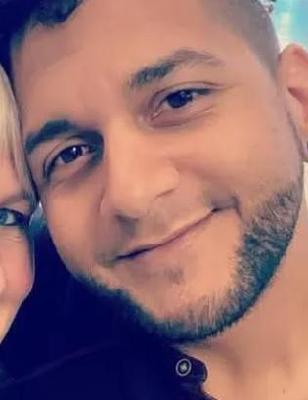
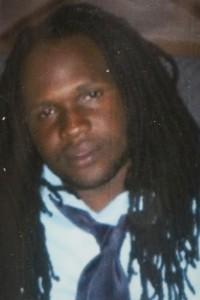
Russ A. Lewis, a 27-year-old Black man from New Orleans, Louisiana, lost his life on the night of September 9, 2016, in a moment that turned ordinary streets into a place of heartbreak. Late that Friday, as the day slipped into night, violence found him in the city’s Seventh Ward. Around 11:10 p.m., police were called to the area near North Roman Street and Lapeyrouse Street. There, beside a vehicle, they found Russ down with a gunshot wound.
The scene was sudden and stark, the kind of moment that leaves the air heavy and the neighborhood stunned, and he was pronounced dead there at the scene.
In the wake of his death, the story that surfaced publicly carried the painful emptiness that so often follows a shooting: no clear motive offered, no named suspect stepping out of the shadows, no immediate answers that could soften the grief. Investigators treated it as an active homicide investigation, appealing to anyone who might have seen something or heard something—any fragment of truth that could help piece together what happened and why. But in the silence that followed the sirens and flashing lights, there was no public confirmation of arrests, no announced charges, no courtroom milestones, and no conviction attached to his name—only the reality of a life ended and a family left to live with the questions.
And it is in that space—between the brief facts of the crime scene and the larger truth of who he was—that Russ Lewis becomes more than a victim’s name. He was a husband and a father, someone whose place in the world was anchored by the people who loved him and depended on him. He was married to Taranisha Smith Lewis, and together they had three children. In the days after his death, while investigators sought leads, his family faced the unbearable task of gathering their strength, standing together, and honoring the man they knew beyond the headlines. They carried the weight of their grief into services meant to celebrate his life, surrounded by parents, siblings, and extended relatives who felt the same rupture—because when someone is taken by violence, the loss does not belong to one person alone. It spreads outward, settling into the spaces where laughter used to be, into routines that suddenly make no sense, into every quiet moment when the absence feels louder than anything else.
The cruelty of such nights is how quickly they happen, how final they are. One moment a person exists in the ordinary flow of life—plans unmade, words unsaid, small responsibilities waiting for the next day—and the next moment, everything is divided into before and after. The streets where Russ was found did not just become coordinates on a report; they became a marker in the memory of a family that would forever measure time from that late Friday night. His wife and children were left to carry forward without him, holding onto what they could—his role in their lives, the love he gave, the future that should have unfolded differently.
What remains is the ache of an unresolved ending in the public eye, and the deeper truth that even if justice takes time, even if answers come slowly or not at all, the significance of Russ Lewis is not defined by how he died. It is defined by the life he lived and the people who loved him. His death was a violent interruption, but his story—his place as a husband, a father, a son, a brother—continues in the lives shaped by him, in the memories spoken aloud and the ones carried silently, and in the enduring hope that someone, somewhere, knows what happened and will one day help bring the truth into the light.