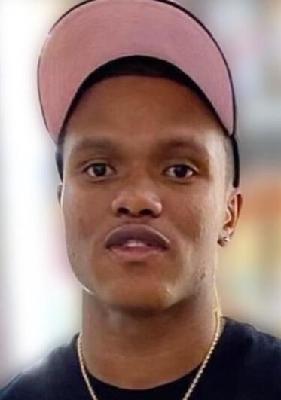
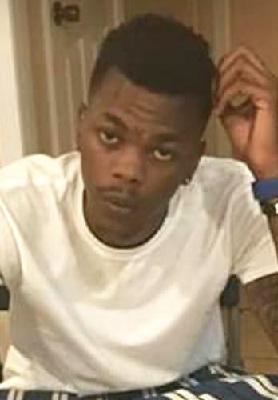
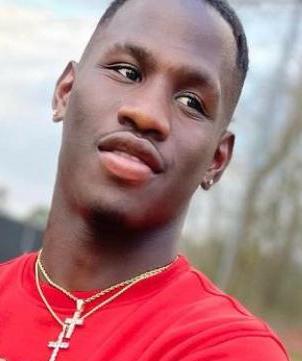
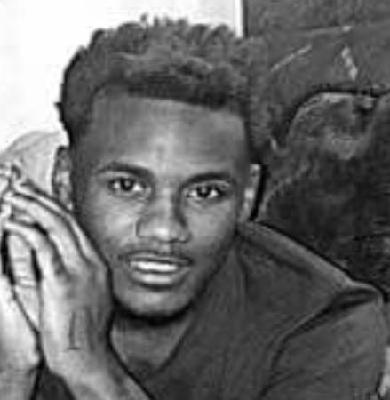
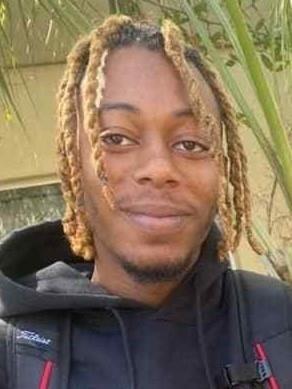
Landon Johnson was 31, a Black/African American man from Baton Rouge, Louisiana, and on July 22, 2020, his life ended in a way that leaves the people who loved him carrying questions they never asked to have. A date on a calendar can look so ordinary, like any other summer day, but for a family, a circle of friends, a community that knew his face and his voice, that day became a dividing line—before and after, laughter and silence, plans and the sudden absence of him.
When a death
happens to someone in the middle of adulthood, it doesn’t just take away a person; it interrupts a whole web of moments that were still supposed to happen. It steals the next phone call, the next birthday, the next “I’ll see you later.” It leaves behind the kind of grief that doesn’t stay still. Some days it comes as a heavy ache, other days it hits like a wave you didn’t see coming—when a song plays, when someone says his name, when a familiar place in Baton Rouge feels different because he’s no longer in it.
There is a particular cruelty to losing someone young: the feeling that the story ended in the middle of the chapter. Whatever Landon was building, whatever he was carrying, whatever he was trying to heal or hoping to become, it all stopped on July 22, 2020. And for the people who loved him, there is no neat way to make sense of that. They are left to hold on to what they do have—memories, photographs, the small details of who he was—while also facing the blunt reality that he is gone.
With only the basic facts available here, there is no clear public account to lean on about what led to his death, no confirmed details about suspects, arrests, or a courtroom resolution that might offer even a fragile sense of closure. That lack of clarity can be its own kind of wound. It can leave loved ones replaying the date, the place, the “how could this happen,” and the painful wonder of whether justice will ever feel close enough to touch.
Yet even in the spareness of the information, one thing remains unmistakable: Landon Johnson was real. He was not just a name, not just an age, not just the record of a death on a single day in Baton Rouge. He was a person who mattered, someone who belonged to others and left a space that cannot be replaced. And no matter what else is known or unknown, the weight of July 22, 2020 is carried forward by those who remember him—by every story told about him, every quiet moment when someone wishes they could hear his voice again, and every heartbeat that still insists his life meant something.