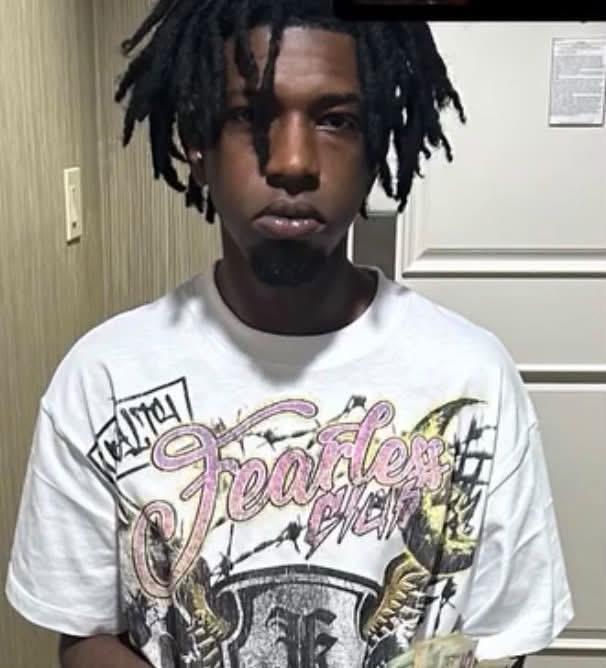
Reginald L. Young, 52, a Black man, was killed in the early morning hours of December 15, 2020, on Jordan Street in Shreveport, Louisiana. In the predawn dark, a shots-fired call pulled officers into the Highland neighborhood, where they found Young down along the roadside at 354 Jordan Street, near the Volunteers of America building, already gravely wounded. Emergency responders arrived, but there was nothing left to do; he was declared dead at the scene.
As officers converged on the area, a man later identified as Desmond Johnson ran through yards along Jordan Street, clutching what looked like a gun. When he spotted a patrol unit, he bolted through a gate and up a driveway, ignoring orders to stop. During the chase, he tossed the object he’d been holding, then tried to scale a chain-link fence before falling onto a concrete driveway, where police detained him. Johnson told officers he had swallowed drugs he’d been carrying, and he was taken to LSU Ochsner Hospital for evaluation before the investigation tightened around him.
Daylight brought the kind of discoveries that often follow violence in a neighborhood—quiet, unsettling, and decisive. A nearby resident later found a handgun in his yard, then another in a neighboring yard, and police collected both weapons as evidence. Forensic testing tied the shooting to a. 40-caliber Glock recovered from the scene, with ballistic work indicating the casings and projectiles associated with Young’s killing were fired from that pistol. The medical findings were equally stark: the autopsy documented eight gunshot wounds, including injuries consistent with defensive wounds to the hands.
When detectives interviewed Johnson later that same morning, his story shifted under scrutiny. He initially claimed he was simply out walking when he heard gunshots, but, pressed about the firearms found where he had been apprehended and confronted with the timeline, he conceded he was cornered by the facts. Johnson described a prior altercation days earlier, saying Young had stolen items from his godmother’s home, and he admitted threatening to beat him if he saw him again because he did not want to look weak in the community. According to the account presented in court records, Johnson said he encountered Young on the street; Young tried to speak as if to smooth things over, then grabbed Johnson’s shoulder to turn him around, and Johnson responded by shooting—continuing to fire even after Young called out to him to stop.
The case moved quickly into the criminal courts. Johnson was arrested for the killing, indicted by a Caddo Parish grand jury for second-degree murder, and later charged in an amended indictment that also included two counts of possession of a firearm by a convicted felon. At trial in April 2022, the prosecution presented testimony from officers, forensic professionals, and the medical examiner, building a timeline that began with the 2:30 a.m. shots-fired call and ended with the matching ballistics evidence and Johnson’s own interview. The jury unanimously found him guilty as charged. He was sentenced to life imprisonment without the benefit of probation, parole, or suspension of sentence for second-degree murder, along with additional hard-labor sentences on the firearm counts.
Johnson appealed, arguing the evidence was insufficient and that he acted in self-defense, or that the conviction should be reduced to manslaughter. The appellate court rejected those arguments and affirmed the convictions and sentences, leaving the life sentence in place and closing the case with a final, formal stamp of accountability in the court record.