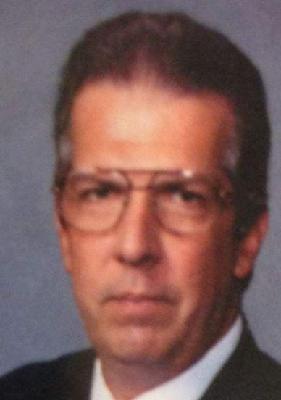
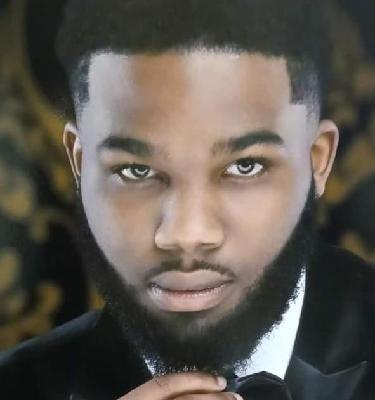
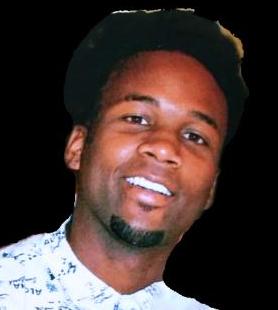
Kadul Reed, a 40-year-old Black man from New Orleans, Louisiana, died on June 30, 2022. His name is now attached to a date that can’t be softened, a moment in time that split life into before and after for the people who loved him. Whatever the hours of that day held—ordinary errands, familiar streets, a routine that might have felt like any other—June 30 became the day his absence began, the day his place at the table turned into a silence that no one asked for and no one was prepared to
carry.
There is a particular kind of heartbreak that comes when a life is reduced to the barest facts. A name. An age. A city. A date. Those details are truthful, but they are never the whole truth. Behind them is a person who belonged to someone: family who knew his voice without needing to see his face, friends who could pick out his laugh in a room, neighbors who recognized his walk, and people who expected to see him again because that’s what you do with the ones you care about—you assume the next time is waiting. New Orleans is a place where community runs deep, where corners and blocks hold memories, and where the loss of one person can ripple outward in a way that’s hard to describe to anyone who hasn’t lived it. When Kadul died, it didn’t just end something for him; it changed the shape of other lives, too.
His death being fixed to a specific day also fixes the grief to that day. Anniversaries arrive whether anyone is ready or not. Birthdays come around like a reminder that time keeps moving, even when it feels impossible that it could. People who loved him likely find themselves remembering small things that nobody else would know to ask about: the way he spoke certain words, the habits that made him himself, the moments that seemed unimportant until the world took away the chance for more. Grief often lives in those details, in the ordinary scenes that suddenly become sacred because they can’t be repeated.
There is also the cruelty of uncertainty when violence is involved—when a death happens in a way that leaves more questions than answers. Even without additional public information, it’s easy to understand the emotional landscape that follows. Shock that turns into disbelief. Disbelief that turns into anger. Anger that turns into exhaustion. Then, sometimes, the long, heavy ache of missing someone in a way that no explanation can repair. People can struggle not only with the loss itself, but with the need to make sense of it, to understand how a man they knew and loved ended up gone on a summer day in his own city.
Kadul Reed’s story, as given here, is brief in facts but immense in meaning. A life is never just its ending. It is the accumulation of all the mornings he woke up and all the nights he came home, the conversations he had, the responsibilities he carried, the kindness he gave, the mistakes he learned from, the hopes he held quietly, and the plans he might have made without imagining they could be interrupted. The people closest to him are the true keepers of that fuller story. They are the ones who know what he valued, what he feared, what made him proud, what made him laugh when nothing else could.
In the end, June 30, 2022, is not only a date of death. It is a marker for grief, yes—but also a marker for love, because grief is love with nowhere to go. It is the proof that Kadul mattered, that he was rooted in the lives of others, that he left behind an empty space that can’t be filled by anything except memory. And even with only a handful of details, one thing remains clear: someone named Kadul Reed lived in New Orleans, and his life ended too soon, leaving people behind to carry his name forward, to speak it, to remember him, and to search for whatever peace can be found after something that should never have happened.