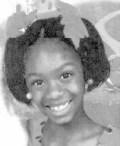
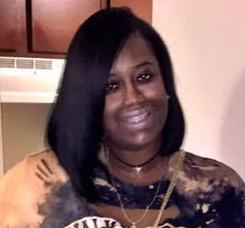
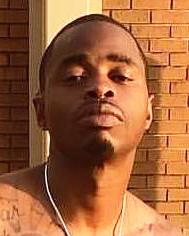
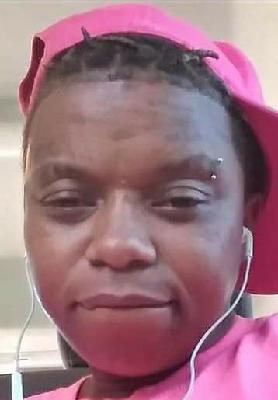
Nekisha Chandell Harvey, 48, a Black female from New Orleans, Louisiana, died on September 28, 2022, in a moment that shattered the quiet rhythm of an ordinary night and left a family and a city carrying the weight of what can never be undone.
Just after midnight, the call came in around 12:14 a.m., drawing officers toward North Claiborne Avenue near Elysian Fields. That stretch of road, familiar to so many, became the scene of something unforgiving. Two people had been shot.
Nekisha was the one who did not make it—her life ending there, under the hard glare of streetlights and the shock of a violence that arrives without warning and refuses to explain itself. A man who was also shot was rushed to the hospital, a second life teetering in the wake of the same gunfire.
What remains publicly known from the information provided is stark in its simplicity, and that starkness is part of the pain. The suspect was listed as unknown. No name was attached to the person who pulled the trigger, no public description offered in this account, no clear reason set down to make sense of why Nekisha’s story was forced to stop where it did. In the space where answers should be, there is only the echo of the incident itself—an investigation marked by uncertainty, a case that begins with tragedy and, at least from what is provided here, does not yet end with accountability.
There is a particular cruelty in that kind of unanswered loss. When a suspect is unknown, grief has no place to rest. Families are left revisiting the same questions—how, who, why—because the mind searches for something solid to hold onto, some detail that might make the nightmare feel less random. But the facts, as given, do not offer resolution. They offer only the time, the place, the violence, and the absence of a known person to blame.
And still, Nekisha was more than the circumstances that took her. She was a real woman who belonged to New Orleans, rooted in a community that now has to remember her in two painful halves: the life she lived, and the way it ended. A death like this ripples outward—through loved ones who must endure the empty chair and the unanswered phone, through friends who replay their last conversations, through a neighborhood that learns, again, how quickly a familiar corner can become a memorial.
From the information provided, there were no announced arrests, no identified suspects, and no stated charges, trials, convictions, or outcomes tied to the shooting that killed Nekisha Harvey. What is left is the truth of her loss and the hope, still unfulfilled here, that the unknown will one day become known, and that the story will someday include the justice her name deserves.