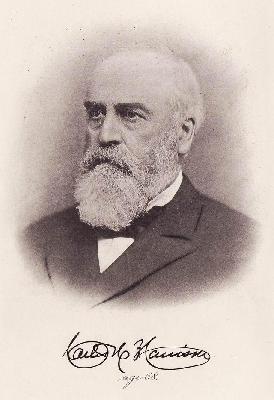
Mayor Carter Henry Harrison, a 68-year-old white male, was assassinated on October 28, 1893, in Chicago, Illinois. Harrison, who was serving his fifth term as mayor, was a prominent figure known for his dedication to the city and its people. His death occurred just as Chicago was celebrating the success of the World's Columbian Exposition, a significant event that showcased the city's recovery and growth following the Great Chicago Fire of 1871.
On the evening of his assassination, Mayor
Harrison was at his residence on South Ashland Avenue. He was approached by Patrick Eugene Prendergast, a 25-year-old Irish immigrant who was disgruntled over not being appointed as the city's corporation counsel. Prendergast, who was unemployed and mentally unstable, had harbored delusions that he was owed a political appointment by Harrison. Armed with a .38 caliber revolver, Prendergast shot Harrison three times at point-blank range, resulting in fatal wounds.
The assassination sent shockwaves through Chicago and the nation. Prendergast was quickly apprehended and confessed to the murder, citing his frustration over not receiving the job he believed he deserved. The legal proceedings that followed were highly publicized. Prendergast's mental state became a focal point of the trial, with his defense arguing that he was insane at the time of the murder. Despite these claims, he was found guilty and sentenced to death. Notably, Clarence Darrow, a renowned attorney, represented Prendergast during his appeals, but was unable to prevent his execution. Prendergast was hanged on July 13, 1894.
Mayor Harrison's assassination highlighted the vulnerabilities of public figures and the potential dangers posed by individuals with untreated mental illnesses. The case also underscored the importance of security for political leaders and the need for a more robust mental health care system. Harrison's death marked a tragic end to a career dedicated to public service and left a lasting impact on the city of Chicago.