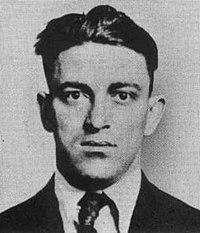
Earl "Hymie" Weiss, born Henryk Wojciechowski on January 25, 1898, was a Polish-American mob boss and a prominent figure in Chicago's Prohibition-era organized crime scene. At the age of 28, Weiss met a violent end on October 11, 1926, in Chicago, Illinois. Known for his fierce rivalry with Al Capone, Weiss was often described as "the only man Al Capone feared."
His death was a significant event in the ongoing gang wars of the time.
Weiss's demise came as he and four associates were returning from the Cook County Courthouse. They were crossing State Street to enter their headquarters when two gunmen opened fire with a machine gun and a shotgun. Weiss and his associate Paddy Murray were killed instantly, while the others were wounded. The attack was a clear indication of the brutal gang warfare that plagued Chicago during this period. Weiss's death was a result of multiple gunshot wounds, a common fate for many involved in organized crime at the time.
The murder of Earl Weiss, a 28-year-old Polish-American male, was widely believed to be orchestrated by his rivals, most notably those aligned with Al Capone. Weiss had been a key figure in the North Side Gang, which controlled bootlegging and other illicit activities in the northern part of Chicago. His death marked a significant power shift in the city's criminal underworld. Despite the high-profile nature of the crime, no arrests were made immediately following the murder. The investigation into Weiss's death was hampered by the pervasive corruption and fear that characterized Chicago's law enforcement and judicial systems during the Prohibition era.
Weiss's murder was part of a larger pattern of violence and retribution among Chicago's gangs. He had been involved in numerous violent encounters, including the infamous "one-way ride" tactic, where victims were lured into a car and killed en route to or upon arrival at a destination. Weiss's own violent end was a testament to the dangerous life he led. The lack of arrests and successful prosecutions in his case reflected the broader challenges of combating organized crime in Chicago at the time. The murder of Earl Weiss remains a stark reminder of the bloody history of gangland Chicago and the enduring legacy of its most notorious figures.