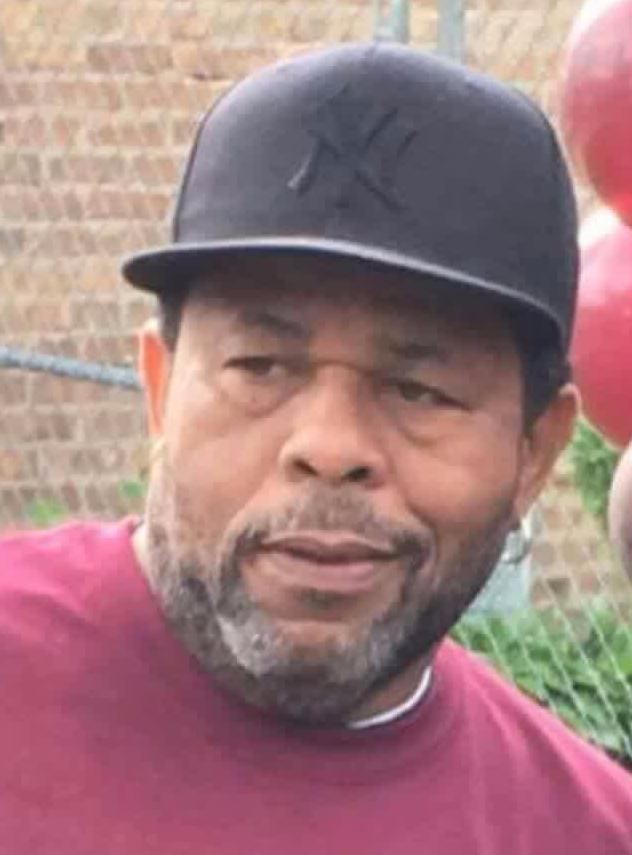
George Anderson, a 17-year-old African American male, tragically lost his life on January 14, 2016, in Chicago, IL. The circumstances surrounding his death have been the subject of extensive investigation and legal scrutiny. On that fateful day, George was found with multiple gunshot wounds in a neighborhood known for its high crime rates. The initial police reports indicated that George was an innocent bystander caught in a crossfire between rival gangs.
His untimely death sent shockwaves through the community, prompting calls for justice and an end to the senseless violence plaguing the area.
In the aftermath of George's death, the Chicago Police Department launched a thorough investigation to identify the perpetrators. Several suspects were apprehended based on eyewitness accounts and surveillance footage. Among those arrested were two young men, both affiliated with local gangs. The suspects, aged 19 and 21, were charged with first-degree murder and unlawful use of a weapon. The prosecution argued that the shooting was a result of a gang-related dispute, and George was tragically caught in the middle.
The legal proceedings that followed were complex and drawn out. The defense attorneys for the accused argued that their clients were not present at the scene of the crime and that the evidence against them was circumstantial. However, the prosecution presented a compelling case, including ballistic evidence and testimonies from witnesses who identified the suspects as the shooters. The trial garnered significant media attention, highlighting the broader issues of gang violence and the impact on innocent lives in Chicago.
Throughout the investigation and trial, George Anderson's family remained vocal, advocating for justice and greater community support to prevent such tragedies. They participated in numerous rallies and community meetings, emphasizing the need for stronger law enforcement and social programs to address the root causes of gang violence. The case also prompted discussions about police-community relations and the effectiveness of current strategies in combating crime in Chicago.
In the end, the court found the suspects guilty of the charges brought against them. They were sentenced to lengthy prison terms, providing some measure of closure for George's family. However, the broader issues of violence and safety in the community remained unresolved, underscoring the ongoing challenges faced by residents and law enforcement alike. George Anderson's death, while a personal tragedy, also served as a stark reminder of the pervasive and destructive nature of gang violence in urban areas.