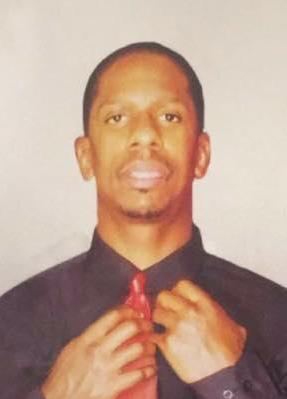
Maurice Gibson, a 26-year-old African American male, was tragically shot and killed on July 19, 2013, in Chicago, Illinois. The incident occurred in front of Simeon Career Academy High School, marking the beginning of a violent weekend in Chicago that saw multiple fatalities and injuries due to gun violence. Maurice Gibson's death was part of a larger pattern of violence that plagued the city during that period.
The investigation into Maurice Gibson's murder revealed that he was shot
multiple times, leading to his untimely death. The crime scene was cordoned off with tape, and law enforcement officials began their search for suspects and evidence. Despite the efforts of the police, the case remained unsolved for some time, with no immediate arrests or suspects identified in the aftermath of the shooting.
In the years following Maurice Gibson's death, there were several developments in the case. Law enforcement continued to investigate the circumstances surrounding the murder, seeking any leads that could help bring the perpetrators to justice. The community and Gibson's family were left to grapple with the loss and the lack of closure, as the case remained a painful reminder of the violence that had taken a loved one from them.
The legal proceedings related to Maurice Gibson's murder included various attempts to gather evidence and identify potential suspects. However, the case faced numerous challenges, including a lack of witnesses willing to come forward and provide crucial information. This hindered the progress of the investigation and made it difficult for law enforcement to build a strong case against any individuals who might have been involved in the crime.
As time passed, the memory of Maurice Gibson's tragic death continued to resonate within the community. His family and friends held onto hope that justice would eventually be served, and that those responsible for his murder would be held accountable. The case of Maurice Gibson remains a poignant example of the impact of gun violence on individuals and communities, highlighting the need for continued efforts to address and prevent such tragedies in the future.