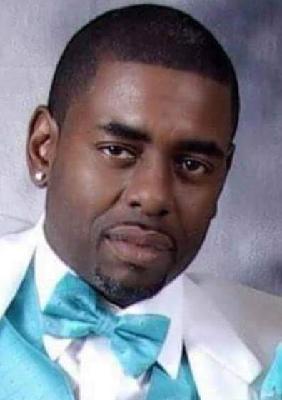
Juan Ugalde, a 27-year-old resident of Chicago, was one of the numerous victims of homicide in the city during 2015, a year that saw an alarming spike in violent deaths. He was killed on June 5, 2015, during a period marked by a surge in gang-related violence and territorial conflicts, especially in the west and south sides of Chicago. These regions were known for having significantly higher concentrations of violent crime, partly due to entrenched gang activity and socioeconomic disparities.
The cluster of homicides in these areas points to systemic issues, including poverty, limited opportunities, and inadequate community resources, which contributed to ongoing violence.
On the day of his death, Ugalde's homicide added to the tally of over 480 victims of violence that year in Chicago, a city already reeling from a persistent wave of shootings and murders. This increase was part of a troubling trend that not only affected the individuals and families directly involved but also had a chilling effect on the wider community. Many residents lived in fear due to the increasing number of shootings, often tied to conflicts between rival gangs. These turf wars often led to tragic deaths of not only involved parties but also bystanders, caught in the crossfire of a battle over control and influence.
The circumstances around Ugalde's death fit into a larger pattern of violence that disproportionately affected young men in Chicago, especially in neighborhoods that were socially and economically marginalized. His death occurred during a period of peak violence that year, which was later studied as part of a broader effort to understand the reasons behind the rise in homicides in Chicago during 2015. Analyses of these events showed that the availability of guns, the breakdown in community-police relationships, and the struggle for control among gangs were all key factors that drove the escalation of violence in this period.
Efforts to stem the tide of violence, such as community policing initiatives and increased social services, have been sporadic and have struggled against the deeply rooted challenges faced by Chicago's most vulnerable communities. Ugalde's death is a stark reminder of the human cost behind the statistics, and it underscores the need for comprehensive approaches that address the underlying causes of violence in Chicago. The need for targeted intervention, improved economic opportunities, and better community support remains vital to prevent such tragedies from continuing to occur.