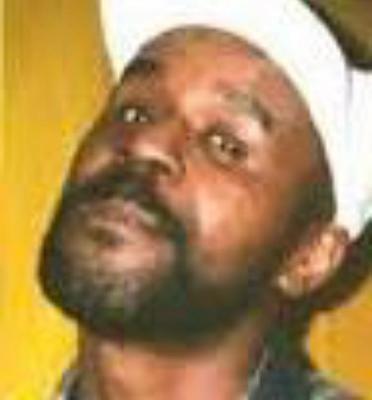
Eddie Huff, aged 29, was killed on September 20, 2016, in Chicago, Illinois. His death was part of a troubling pattern of escalating violence that defined 2016 as one of the deadliest years in the city’s recent history. The year saw an alarming rise in homicides, with more than 760 recorded killings across Chicago, a sharp increase from previous years.
This spike in violence was largely attributed to a rise in gun-related incidents, which accounted for nearly 90% of the homicides, including the fatal shooting of Eddie Huff.
The violence that claimed Huff's life occurred during a period of persistent tension in the city, which struggled to cope with a sudden surge in gun violence. The environment in many neighborhoods was marked by increased shootings, often tied to gang activity and unresolved conflicts. As part of a broader pattern, this year-over-year spike in violence left community members and officials alike struggling for solutions to mitigate the rising number of fatalities. Efforts were made by local authorities to contain the violence, yet 2016 remained a devastating year with a loss of many young lives.
Eddie Huff’s death, along with numerous others that year, underscored the need for comprehensive solutions to tackle the underlying issues contributing to gun violence in Chicago. The neighborhoods most impacted by this violence typically lacked sufficient community resources, economic opportunities, and effective interventions, all of which were factors that contributed to the persistent violence. Huff’s death thus became part of the tragic narrative of a city trying to contend with a surge of violent crime.