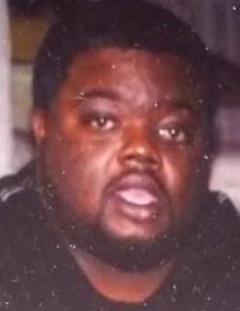
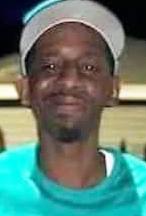
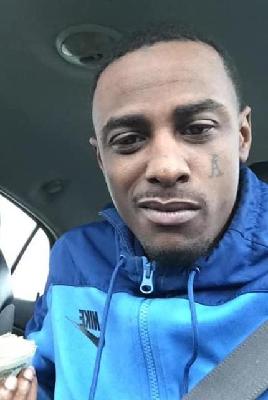
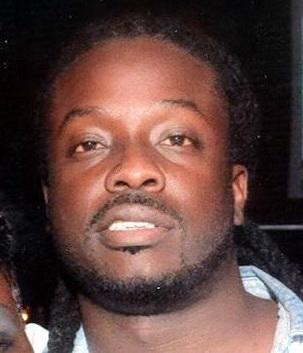
Ronald Sawyer, a 30-year-old African American male, tragically lost his life on January 3, 2014, in Chicago, IL. The circumstances surrounding his death were both shocking and deeply saddening for his family and community. Ronald was found dead in his vehicle, having suffered multiple gunshot wounds. The incident occurred late at night in a neighborhood known for its high crime rates, adding to the urgency and complexity of the investigation.
The Chicago Police Department launched an
immediate investigation into Ronald Sawyer's death, treating it as a homicide. Initial reports indicated that Ronald had been targeted in a drive-by shooting, a common yet devastating occurrence in certain areas of Chicago. Witnesses reported hearing multiple gunshots and seeing a dark-colored vehicle speeding away from the scene. Despite the swift response from law enforcement, the case quickly grew cold due to a lack of substantial leads and the reluctance of potential witnesses to come forward, likely out of fear of retaliation.
Over the years, the investigation into Ronald Sawyer's murder saw several developments. In 2016, two years after the incident, a breakthrough came when a suspect was arrested in connection with the case. The suspect, a 28-year-old male with a history of gang-related activities, was charged with first-degree murder. The arrest brought a glimmer of hope to Ronald's family, who had been tirelessly seeking justice. However, the legal proceedings were fraught with challenges, including witness intimidation and procedural delays, which prolonged the trial.
In 2018, the case took another turn when new evidence emerged, suggesting the involvement of additional suspects. This evidence included surveillance footage and forensic analysis that linked the crime to a broader network of gang violence in the area. The prosecution argued that Ronald Sawyer's death was a result of mistaken identity, a tragic consequence of ongoing gang rivalries. Despite these revelations, securing convictions proved difficult, and the case remained unresolved, leaving Ronald's family in a state of perpetual grief and uncertainty.
Throughout the investigation and subsequent legal battles, Ronald Sawyer's family remained vocal advocates for justice, participating in community outreach and anti-violence initiatives. Their efforts highlighted the broader issue of gun violence in Chicago and the need for systemic changes to prevent such tragedies. Ronald's death, while a personal loss to his loved ones, also served as a stark reminder of the pervasive and destructive impact of gang violence on communities.
As of now, the case of Ronald Sawyer's murder remains officially unsolved, with law enforcement continuing to seek new leads and information. The memory of Ronald, a young man whose life was cut short by senseless violence, continues to inspire efforts to combat crime and support victims' families in Chicago and beyond.