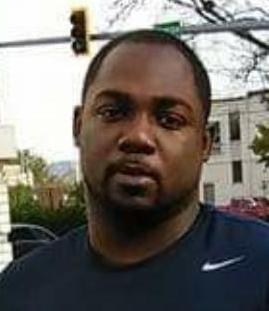
Adarrius Thompson, a 27-year-old African American male, tragically lost his life on July 12, 2014, in Chicago, Illinois. His death was the result of a fatal shooting, which occurred in the Englewood neighborhood, a part of the city known for its high crime rates. On that fateful day, Thompson was found with multiple gunshot wounds and was pronounced dead at the scene.
The incident added to the alarming number of homicides in Chicago, which has been grappling with gun violence for years.
The investigation into Adarrius Thompson's murder revealed that he was shot during an altercation that escalated quickly. Witnesses reported hearing a heated argument followed by gunfire. Despite the presence of several people at the scene, the police faced challenges in gathering reliable information, as many witnesses were reluctant to come forward, fearing retaliation. This reluctance is a common issue in areas plagued by gang violence and distrust of law enforcement.
In the aftermath of Thompson's death, the Chicago Police Department launched a thorough investigation. They canvassed the neighborhood, interviewed potential witnesses, and reviewed surveillance footage from nearby cameras. Despite their efforts, the case remained unsolved for a significant period, with no immediate arrests made. The lack of cooperation from the community hindered the progress of the investigation, leaving Thompson's family and friends in a state of grief and frustration.
Over time, the case saw some developments. In 2016, two years after the murder, a breakthrough came when a suspect was identified. The suspect, a known gang member, was arrested and charged with first-degree murder. The arrest brought a glimmer of hope to Thompson's family, who had been seeking justice for his untimely death. The legal proceedings that followed were closely watched by the community, as they highlighted the ongoing struggle against gang violence in Chicago.
The trial of the suspect was a lengthy process, marked by numerous delays and legal maneuvers. The defense argued that there was insufficient evidence to convict their client, while the prosecution presented witness testimonies and forensic evidence linking the suspect to the crime. The trial underscored the complexities of prosecuting gang-related homicides, where fear and intimidation often prevent witnesses from testifying.
In the end, the suspect was found guilty of the murder of Adarrius Thompson and was sentenced to a lengthy prison term. The conviction provided a sense of closure to Thompson's family, though it could not erase the pain of their loss. The case of Adarrius Thompson remains a stark reminder of the pervasive gun violence in Chicago and the challenges faced by law enforcement in bringing perpetrators to justice.