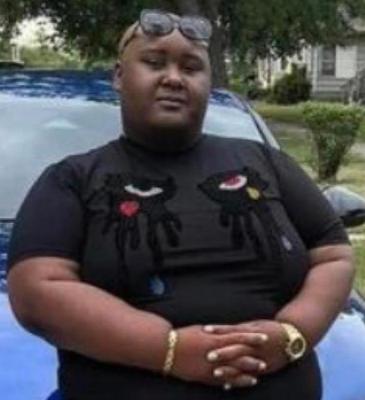
Demorrow Stephens, a 26-year-old African-American man, was tragically killed on January 30, 2016, in Chicago, IL. His death was part of a surge in violence that plagued the city during that period. Stephens was shot to death, a fate that befell many young African-American men in Chicago at the time. The violence in the city was largely driven by gang conflicts and the proliferation of drugs and guns in impoverished neighborhoods.
Stephens, like many others, had a history of interactions with law enforcement and was involved in gang activities. He was a member of the Four Corner Hustlers street gang, a fact that likely played a role in his untimely death.
In the months leading up to his death, Stephens had several run-ins with the law. On July 27, 2015, he was pulled over by police on the West Side of Chicago for failing to signal a turn. During the stop, police discovered that Stephens did not have a driver's license and found marijuana on his passenger, Marcus Patrick. Both men, who were on parole at the time, were arrested for having contact with another gang member. This incident highlighted the ongoing struggles Stephens faced in his life, caught in a cycle of crime and violence.
Despite the arrest and the subsequent time spent in jail, Stephens returned to his neighborhood, Austin, where he continued to be involved in gang activities. His death, along with the deaths of many others, underscored the harsh realities of life in Chicago's most violent neighborhoods. The police and community members alike struggled to find solutions to the rampant violence that claimed so many young lives. The investigation into Stephens' murder, like many others, faced significant challenges, and no one was charged in connection with his death.
The broader context of Stephens' death reveals a grim picture of Chicago's struggle with gun violence. In the first half of 2016 alone, 324 lives were lost to violence in the city. The majority of these victims were young African-American men, many of whom had prior criminal records and were involved in gang activities. The police and community leaders continued to grapple with the root causes of this violence, including poverty, lack of opportunities, and the easy availability of guns.