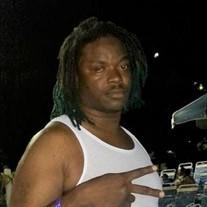
Michael Armstrong, a 35-year-old African American male, was tragically shot and killed on February 12, 2015, in Ford Heights, Illinois. The incident occurred around 9:30 p.m. when Cook County sheriff's officers were flagged down by an individual reporting a shooting in the 1300 block of Lincoln Highway. Upon arrival, deputies discovered Armstrong inside a 1999 tan Jeep Cherokee, suffering from multiple gunshot wounds. He was immediately transported to Franciscan St. James Health in Olympia Fields, where he was pronounced dead. The Cook County medical examiner's office confirmed the cause of death as multiple gunshot wounds.
The investigation quickly led to the arrest of Shaquille Williams, a 21-year-old resident of Markham, Illinois. According to police reports, Williams approached Armstrong while he was seated in his vehicle and opened fire. Williams was apprehended at his home in Markham and subsequently charged with first-degree murder. During a court hearing, a judge denied Williams bail, and he was scheduled for further court appearances.
The case against Williams was built on substantial evidence, including eyewitness accounts and forensic analysis. The prosecution argued that Williams had a clear motive and intent to kill Armstrong. The defense, however, attempted to challenge the credibility of the witnesses and the handling of the forensic evidence. Despite these efforts, the court found Williams guilty of first-degree murder, and he was sentenced to a lengthy prison term.
The murder of Michael Armstrong shocked the Ford Heights community, highlighting ongoing issues of violence and crime in the area. Community leaders and residents called for increased police presence and better community engagement to prevent such tragedies in the future. Armstrong's family and friends mourned the loss of a beloved individual, remembering him as a kind and hardworking man who was taken too soon.
This case also drew attention to the broader systemic issues affecting communities like Ford Heights, including poverty, lack of resources, and limited opportunities for young people. Efforts to address these challenges continue, with local organizations and government agencies working together to create safer and more supportive environments for residents.