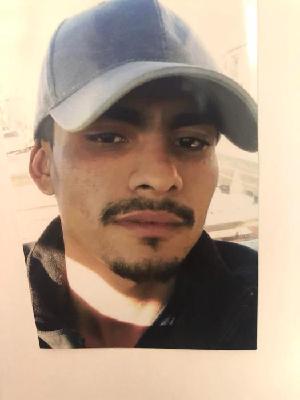
Terrence Carter, a 33-year-old African American man, was tragically killed on September 29, 2017, in Chicago, Illinois. On that fateful morning, Carter and 20-year-old Charnella Lemon, who was eight months pregnant, were fatally shot while sitting in a car parked in a vacant lot on the Far South Side of Chicago. Carter was shot once at the base of his neckline, while Lemon suffered multiple gunshot wounds, including two to the chest, one to the abdomen, and one to the hand.
Despite the efforts of doctors at Christ Medical Center in Oak Lawn, Lemon's baby, Jenae Lemon, who was delivered via C-section, died four days later. The Cook County medical examiner's office ruled each death a homicide, and the Chicago Police Department (CPD) logged the incident as a triple murder.
Initially, the CPD reported that Carter and Lemon were ambushed by an unknown assailant. However, within three weeks, detectives concluded that Carter and Lemon had shot and killed each other using Lemon's .25 caliber pistol, which had also been used in a previous murder in south suburban Dolton three months earlier. This determination led the CPD to consider the case "cleared" due to the "death of the offender," a classification used when the suspect in a crime is deceased before charges can be brought.
The investigation into the deaths of Terrence Carter and Charnella Lemon revealed a complex and tragic scenario. On the morning of the shooting, a nearby resident reported hearing a series of pops, initially mistaking them for firecrackers. Upon investigating, the resident found Lemon, partially undressed, lying on the ground near a utility pole, calling for help. Despite the initial belief that the shooting was a result of an ambush, the CPD's findings pointed to a domestic-related incident, with both Carter and Lemon being involved in a fatal altercation.
The case of Terrence Carter and Charnella Lemon highlights the challenges faced by law enforcement in solving violent crimes in Chicago. The CPD's use of the "death of offender" classification has been a point of contention, as it allows the department to clear cases without bringing suspects to justice. This practice has raised concerns about the effectiveness of the criminal justice system in addressing and preventing such tragedies. Despite the closure of the case, the deaths of Carter, Lemon, and their newborn daughter remain a poignant reminder of the ongoing issues of gun violence and domestic conflict in the city.