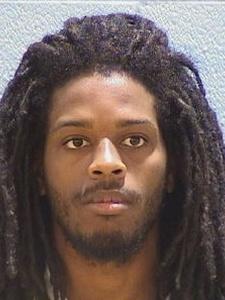
Dan Rance, a 23-year-old African American male, was tragically murdered on September 2, 2015, in the Austin neighborhood on the West Side of Chicago. The incident occurred when Dan Rance was fatally shot in the back. The shooter, identified as Darius Murphy, stood over Rance and continued the execution, ensuring his death. This brutal act was part of a series of violent crimes committed by members of the Wicked Town faction of the Traveling Vice Lords street gang, a notorious group involved in
numerous murders, attempted murders, armed robberies, and assaults in Chicago.
The investigation into Dan Rance's murder revealed that it was not an isolated incident but part of a broader pattern of gang violence orchestrated by the Wicked Town faction. This gang was known for its ruthless tactics, including using threats and intimidation to prevent victims and witnesses from cooperating with law enforcement. The gang's activities were primarily centered in Chicago's Austin neighborhood, where they maintained "trap houses" to store firearms and illegal narcotics, including cocaine and heroin.
In the aftermath of Dan Rance's murder, significant legal actions were taken against the perpetrators. Darius Murphy, along with other members of the Wicked Town faction, was charged in a federal racketeering indictment. This indictment, unsealed in November 2021, accused 13 alleged leaders, members, and associates of the gang of participating in a criminal organization responsible for nearly 40 murders or attempted murders. Murphy, who admitted to several murders as part of a plea deal, was sentenced to 50 years in prison. This sentence was part of an agreement that aimed to provide finality to the families of the victims and avoid the risks and prolonged appeals process associated with a trial.
The federal indictment against the Wicked Town faction highlighted the extensive and violent nature of the gang's operations. It detailed how the gang used social media to promote their violent enterprise, taunt rival gang members, and boast about their criminal activities. The indictment also noted the substantial assistance provided by various law enforcement agencies, including the Chicago Police Department, the U.S. Bureau of Alcohol, Tobacco, Firearms, and Explosives, and the FBI, in bringing the gang members to justice.
The murder of Dan Rance and the subsequent legal actions against his killers underscore the ongoing challenges faced by law enforcement in combating gang violence in Chicago. Despite the successful prosecution of key gang members, the impact of such violence continues to be felt by the families of the victims and the broader community. The case of Dan Rance serves as a stark reminder of the devastating consequences of gang-related violence and the importance of continued efforts to address this pervasive issue.