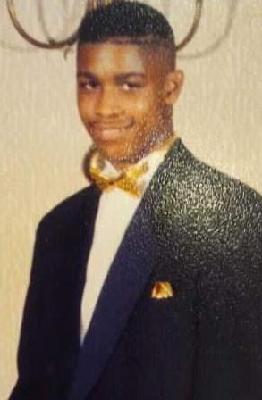
Michael Rollins, a 53-year-old African American male, tragically passed away on October 13, 2018, in Chicago, Illinois. His death was ruled a homicide by the medical examiner, adding to the grim tally of homicides in Chicago for that year. The circumstances surrounding his death were particularly harrowing, as he was found with multiple gunshot wounds in a neighborhood known for its high crime rates.
The investigation into his death revealed that he was likely targeted due to his involvement in local community activism, which had made him a well-known figure in his community.
The Chicago Police Department launched an extensive investigation into the murder of Michael Rollins. Despite numerous leads and tips from the public, the case proved challenging due to the lack of eyewitnesses willing to come forward. The investigation uncovered that Rollins had been receiving threats in the weeks leading up to his death, which were believed to be connected to his efforts to reduce gang violence in the area. This connection led the police to suspect that his murder was a retaliatory act by local gang members.
In the months following his death, several suspects were identified and questioned, but no arrests were made initially. The case took a significant turn when a breakthrough came in the form of forensic evidence linking a known gang member to the crime scene. This evidence, combined with witness testimonies obtained under protection, led to the arrest of two suspects. Both individuals were charged with first-degree murder and conspiracy to commit murder.
The legal proceedings were closely followed by the community and local media. The trial revealed the extent of the threats and intimidation faced by Rollins due to his activism. The prosecution presented a compelling case, highlighting the forensic evidence and the testimonies of witnesses who corroborated the threats against Rollins. The defense, however, argued that the evidence was circumstantial and that the suspects were being framed due to their gang affiliations.
Ultimately, the jury found both suspects guilty of the charges. The verdict was seen as a significant victory for the community and a testament to Rollins' legacy as a dedicated activist. His death, while a tragic loss, underscored the ongoing challenges faced by those working to bring about positive change in high-crime areas. The case also highlighted the importance of community cooperation with law enforcement to bring justice to victims of violence.