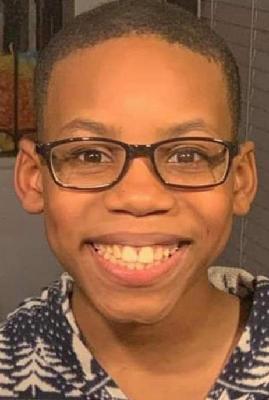
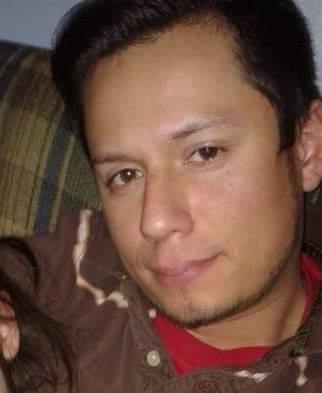
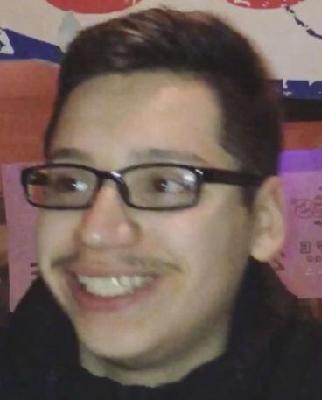
Adrian Soto, a 17-year-old male from Chicago, IL, tragically lost his life on April 9, 2014. The circumstances surrounding his death were deeply distressing and have left a lasting impact on his community. Adrian, who was of Hispanic ethnicity, was fatally shot in what authorities described as a gang-related incident. The young victim was walking in his neighborhood when he was approached by an assailant who opened fire, striking him multiple times.
Despite efforts to save him, Adrian succumbed to his injuries shortly after the attack.
In the aftermath of Adrian's death, the Chicago Police Department launched an intensive investigation to identify and apprehend those responsible. The investigation revealed that Adrian's death was part of a broader pattern of gang violence that had been plaguing the area. Witnesses reported seeing a group of individuals fleeing the scene immediately after the shooting, and surveillance footage from nearby cameras provided crucial leads. The footage showed a vehicle speeding away from the scene, which was later identified as being linked to a known gang in the area.
As the investigation progressed, several suspects were identified and brought in for questioning. Among them was a 19-year-old male, also of Hispanic ethnicity, who was believed to have been the shooter. This suspect had a history of gang involvement and had been previously arrested for other violent crimes. During the interrogation, he initially denied any involvement in Adrian's death but later confessed after being presented with the overwhelming evidence against him. His confession detailed how the shooting was a retaliatory act against a rival gang, and Adrian was tragically caught in the crossfire.
The legal proceedings that followed were closely watched by the community and the media. The suspect was charged with first-degree murder and several other related offenses. Throughout the trial, the prosecution presented a compelling case, supported by eyewitness testimonies, forensic evidence, and the suspect's own confession. The defense attempted to argue that the suspect was coerced into confessing and that there was insufficient evidence to prove his guilt beyond a reasonable doubt. However, the jury found the evidence presented by the prosecution to be convincing, and the suspect was ultimately convicted of all charges.
In addition to the criminal trial, Adrian's family pursued a civil lawsuit against the gang members and their associates, seeking justice and compensation for their loss. The lawsuit aimed to hold the gang accountable for their actions and to send a strong message against gang violence in the community. The case garnered significant attention and support from local advocacy groups and residents who were determined to see an end to the cycle of violence that had claimed so many young lives.
Adrian Soto's death remains a poignant reminder of the devastating impact of gang violence on individuals and communities. His story is one of many that highlight the urgent need for comprehensive strategies to address the root causes of gang involvement and to provide support and opportunities for at-risk youth. The efforts to bring those responsible for Adrian's death to justice have been a crucial step in the ongoing fight against gang violence in Chicago.