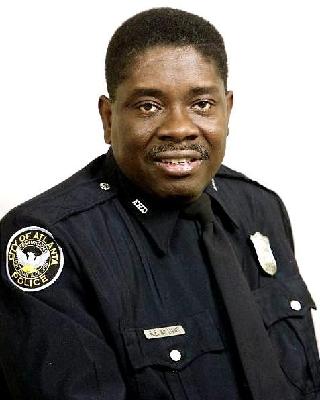
Richard E. Williams, a 62-year-old Black man from Atlanta, Georgia, was not described in the online record as having died on January 28, 1987. Instead, the available public accounts say that January 28, 1987, was the day his life was shattered. Williams was an Atlanta Police Department investigator working school detail when he arrested three people at Booker T. Washington High School for trespassing and disrupting classes. The arrest should have been routine. One of the three was a 19-year-old, and the other two were juveniles. But as Williams transported them away from the school, one of the younger suspects pulled a handgun and fired, striking him in the back and neck. In an instant, a routine school arrest turned into a catastrophic act of violence that left him paralyzed from the chest down.
What followed was not a quick end, but a long and punishing aftermath. Williams survived the shooting itself and lived for years with the wounds it caused, carrying the damage with him for nearly a quarter century. Even confined to a wheelchair, he continued to serve in a limited duty role with the department, a detail that gives the case a tragic weight all its own. His story became less about a single burst of violence and more about the endurance that came after it, the kind of survival that still bears the full cost of the crime every day. The official line-of-duty memorial accounts say he ultimately succumbed to those gunshot injuries on October 26, 2011, just days before he was expected to retire after a long career.
As for the suspects, the public online sources agree that Williams had arrested three people before the shooting and that one of the juveniles was identified as the gunman in the immediate account of what happened. The 19-year-old had been searched and handcuffed, while the two juveniles had not, and that gap is presented as the opening that allowed the shooting to happen. Beyond that, the easily accessible public record is thin. The names of the suspects do not appear in the sources reviewed, and the official memorial record does not publicly list detailed suspect information, charges, trial results, or convictions. So while the broad outline is clear, that three suspects were initially in custody and that one juvenile shot Williams during transport, the public online record does not provide the fuller courtroom ending that many homicide cases eventually reveal. That absence leaves the story with a haunting quality: the violence is well documented, the suffering is unmistakable, but the public trail of accountability is far harder to see.