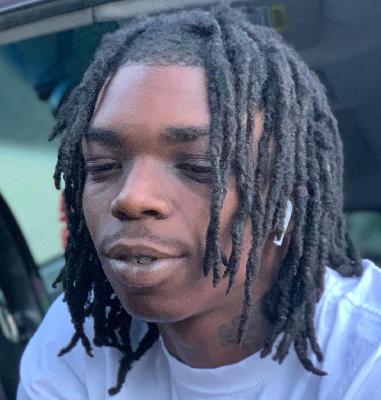
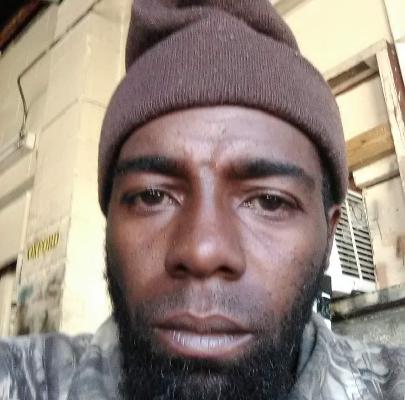
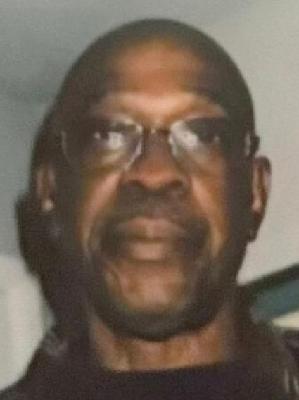
In the quiet of a Macon, Georgia evening on October 27, 2015, the life of 23-year-old Vernard Lamar Mays, a male employee of the Bibb County Sheriff's Office, was tragically cut short in a hail of gunfire on his own doorstep. The events leading to his death began earlier in the day with a nearby car accident. Following the crash, an individual involved, a member of the Crips street gang, decided to hide a gun in the yard of the home Mays shared with his mother, a 911 dispatcher.
Later
that night, a group of men arrived at the residence on Second Street intending to retrieve the stashed weapon. Their initial attempts were unsuccessful. One of the men, Curtis Dewayne Jackson Jr., knocked on the door and tried to speak with Mays' mother, but she, sensing danger, refused to open it and called her son to come home. Jackson, angered, left and returned a short time later with several armed associates, including Addonis Xavier Rhodes. By this time, Mays had arrived home. He answered the door and informed the men that he had no knowledge of their missing gun. At a signal from Jackson, Rhodes and the others opened fire. Mays was fatally wounded as he and his mother retreated into the house, where she barricaded them inside a bedroom and made a desperate call for help. Vernard Mays was transported to a local hospital where he was pronounced dead.
The investigation that followed led to the arrest of five individuals: Curtis Dewayne Jackson Jr., 22; Addonis Xavier Rhodes, 16; Jadarien Shamar Flowers, 19; Michael Dewayne Hardy Jr., 19; and Drayson MacDonald, 16. Jackson was apprehended in Killeen, Texas, following a tip to law enforcement. In the subsequent court proceedings, Flowers, McDonald, and Hardy all pleaded guilty for their involvement and agreed to testify against their co-conspirators. Hardy entered a guilty plea to charges of aggravated assault and violating Georgia's Street Gang Terrorism and Prevention Act.
The trial for the remaining two suspects, Curtis Dewayne Jackson and Addonis Xavier Rhodes, concluded with guilty verdicts on charges of malice murder, felony murder, and violation of the state's Street Gang Terrorism and Prevention Act. Evidence presented during the trial included testimony that the fatal shot was fired by Rhodes, as a. 40-caliber shell casing matching the bullet that killed Mays was found where Rhodes had been standing. For his role in orchestrating the deadly encounter, Jackson was sentenced to life in prison without the possibility of parole. Due to his age at the time of the murder, Rhodes received a life sentence with the possibility of parole after serving 30 years.