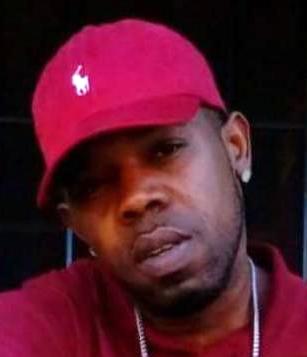
In the fading daylight of a Saturday evening in Atlanta, Georgia, on March 19, 2016, a sequence of events unfolded at an Exxon gas station near the West End Mall that would end the life of 50-year-old William Blackwell. That evening, Raheem Scott, a 25-year-old man, had stopped at the station on Joseph E. Lowery Boulevard. He left his black sedan running as he went inside the convenience store.
While Scott was inside, Blackwell, a resident of Goodlettsville, Tennessee, entered the
driver's seat of the running car. When Scott came out of the store and saw Blackwell in his vehicle, he allegedly drew a gun and fired multiple shots, striking and killing him. Witnesses at the scene reported hearing about five gunshots. There was also an unidentified woman in the passenger seat of the car at the time of the incident.
After the shooting, Scott went back into the Exxon station and asked the employees to call 911. He then waited for the police to arrive and surrendered to them. Scott was subsequently arrested and charged with murder in connection with William Blackwell's death.
The case raised questions regarding self-defense and property protection laws. While Scott’s mother stated that her son had never been in trouble before and that they both carried guns for safety, legal experts weighed in, suggesting that the circumstances might not align with Georgia's "Stand Your Ground" law, which has specific criteria regarding the level of threat required to justify the use of deadly force in protecting property. An Atlanta man was now facing a murder trial for the fatal shooting.