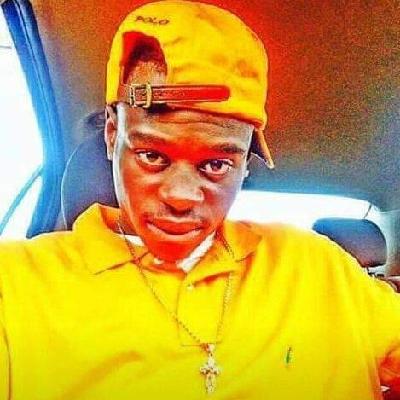
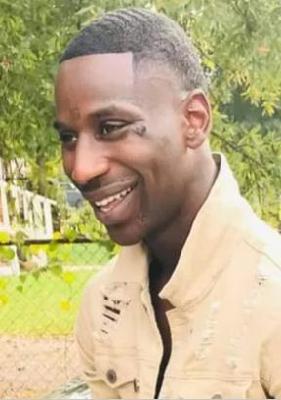
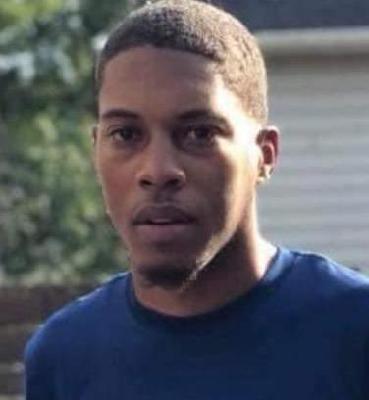
Bobby Jerome Seawright Jr. was a 25-year-old Black man from Columbus, Georgia, a Columbus High School graduate who was close to finishing a degree in sports medicine at Georgia Southern University when his life ended on December 17, 2016. The online memorial and obituary accounts paint him as a young man deeply rooted in family, church, and community, someone remembered for warmth, humor, and promise.
What makes the story especially painful is how abruptly that future was cut off, with reports tied to the case saying he was lost to gun violence in Columbus that night.
The killing unfolded in the Branton Woods area of Columbus, where news reports referenced by later memorial accounts said a man was found shot beside his running car and that police were searching for a gunman in the immediate aftermath. In the days that followed, the case moved quickly enough for an arrest to be publicly reported: a 16-year-old identified in coverage as James Oliver was charged in Seawright’s fatal shooting. One report said the teen suspect pleaded not guilty in Columbus Recorder’s Court and was held without bond, turning the case from a neighborhood shock into a closely watched courtroom matter.
As the case moved forward, publicly available online traces show that Oliver later went to trial in connection with Bobby Jerome Seawright Jr.’s death. Search-result records from local coverage describe a defense built around mistaken identity and the absence of physical evidence such as a recovered gun or DNA, while other archived traces show that jurors did reach a verdict after deliberations. But from the accessible online sources available here, the final outcome of that verdict is not clearly stated in a directly viewable report, so the most supportable public account is that Seawright’s killing led to the arrest and prosecution of James Oliver, with a trial held years later, while the exact disposition is not plainly confirmed in the open sources I could verify.