Brandon Lee “Bubba” Grubbs, a 21-year-old White male from Augusta, Georgia, died on December 28, 2016, after he was found shot to death inside his residence on the 300 block of Barbara Road, off Old Savannah Road. Contemporary reporting says a friend came by the home just after noon to visit and discovered him there, a scene that turned an ordinary winter day into a homicide investigation.
His obituary later confirmed that he died at his residence that same day, and memorial listings tied his death to gun violence in Augusta.
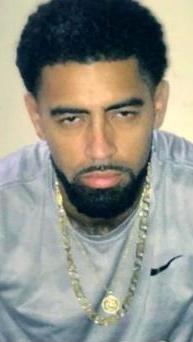
In the first days after the killing, the case seemed to move in that uneasy space between urgency and uncertainty. Investigators publicly identified one man, Demarcus Lineal Crawford, as wanted for questioning in connection with the homicide. Authorities were careful in how they described him: not as a charged defendant, but as someone they wanted to speak with about what happened. The notice said he was believed to frequent hotels in the Peach Orchard Road and Gordon Highway area and was also known to spend time around Barbara Road, suggesting detectives thought the answer might still be close to the neighborhood where Grubbs was killed.
What the public record available online does not show is just as telling. I did not find a reliable online source showing that Crawford, or anyone else, was arrested, indicted, tried, or convicted for Grubbs’s killing. Instead, a Richmond County open-homicide document published years later still listed Brandon Grubbs among the county’s unsolved homicide cases, indicating that by at least 2021 the case had not been publicly cleared. Based on the sources available online, the most supportable conclusion is that the investigation identified a person wanted for questioning but had not, at least in the public record I found, led to a publicly documented arrest or conviction in the case.
Away from the case file, the picture that remains is of a young man whose death rippled through a family already speaking of him by the nickname Bubba and preparing to bury him only days later. The obituary records the family he left behind, and the surviving online memorials keep his name attached to the date and the violence that ended his life. The investigation, at least from what is visible online, leaves behind the harder part of the story: a man found slain in his own home, a named person sought for questioning, and no publicly documented courtroom ending to explain why Brandon Grubbs never came out of that house alive.