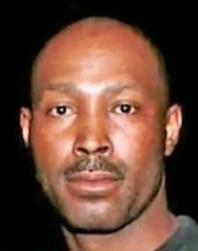
In the light of a spring afternoon, a life was violently cut short in the parking lot of a Super Inn in Decatur, Georgia. On April 12, 2017, Jordan Morris, a 22-year-old African American man, found himself in a desperate race for his life. Witnesses recounted the horrifying scene of Morris being pursued by a man brandishing an AK-47 style rifle through the motel's parking lot. The chase concluded in a hail of gunfire, with one witness reporting hearing as many as 10 shots.
When the chaotic scene subsided, Morris was discovered lying in the grass with a fatal gunshot wound to his left cheek. Despite the prompt arrival of DeKalb County police, his injuries were too severe, and he was pronounced dead at the scene shortly before 5:00 p.m.
The investigation that followed painted a grim picture of a targeted attack. Authorities believed that Morris was not a random victim, but rather that the shooting was the culmination of an ongoing dispute. The crucial breakthrough in the case came from surveillance footage that captured the chilling pursuit and the image of the suspect. This video evidence was widely circulated by the media, leading to tips from the public that proved instrumental in identifying the gunman. The investigation moved swiftly, and within two weeks, a suspect was in custody.
On April 26, 2017, the DeKalb County Sheriff's Fugitive Unit apprehended 23-year-old Javian Nesby in connection with the murder of Jordan Morris. Nesby was taken into custody on U.S. 78 in the Stone Mountain area and was subsequently charged with murder. The case against him proceeded through the legal system, and he was ultimately convicted for the malice murder of Jordan Morris. In a subsequent appeal of his conviction, the Georgia Supreme Court found no reversible error and affirmed the trial court's decision, ensuring that Nesby would be held accountable for the senseless act of violence that ended a young man's life in a Decatur parking lot.