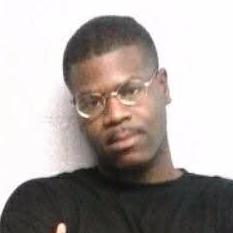
William Mullins, 24, a Black male, was one of three people found shot to death inside a home in the 1100 block of East 31st Street in Savannah in the early morning of April 24, 2017. Officers were sent there at about 1:15 a.m. after a report of a shooting and found Mullins dead alongside Courtney German, 31, and Shayla Curtis, 18. From the start, investigators said the killings appeared to be gang-related, and the scene quickly took on the feel of something far more deliberate than a sudden burst of street violence. Mullins had been struck three times, including fatal wounds to the head and neck, and the brutality of the shooting helped shape the case that followed.
Police moved quickly to identify a suspect. That same day, Savannah-Chatham Metropolitan Police announced murder charges against Keith Lamont Marrow Jr., then 27. Marrow had been stopped in South Carolina by Hardeeville Police on unrelated traffic charges, and the case against him grew from there. Court records later showed that after a high-speed chase ended with a crash, officers found a. 40-caliber pistol in the SUV Marrow was driving, a vehicle rented by German. A firearms examiner later concluded that the. 40-caliber shell casings recovered from the Savannah crime scene had been fired from that gun. Investigators also tied Marrow to the house through fingerprints found on a Wendy’s cup left at the scene.
As the case developed, prosecutors painted the killings as an execution tied to gang tensions. Evidence at trial showed Marrow had come from Florida to Savannah and was associated with a Bloods subset, while German was also linked to the gang. Testimony indicated that before the shootings, Marrow had told another man he had robbed someone at gunpoint, an act a gang investigator said would violate gang rules and could trigger retaliation. Marrow later admitted that he shot Mullins, German, and Curtis, but he claimed he did it because he believed they were going to kill him. He told police he had a bad feeling while they were sitting together smoking marijuana, that guns were on the table, and that he feared he had been marked for death after overhearing a conversation involving a prison inmate known as Tabo. But investigators said they found no evidence that anyone had ordered Marrow killed, and police testimony undercut the self-defense claim.
The prosecution’s version was colder and more final. At sentencing, the state argued that Mullins and German were executed and that Curtis was killed because she had witnessed their deaths. In February 2019, a Chatham County jury found Marrow guilty of three counts of malice murder along with multiple firearm offenses. He was sentenced the next month to life without parole for each of the three murders, with additional prison time for the weapons convictions. The conviction did not end there. Marrow continued to challenge the verdict, arguing among other things that the jury should have been instructed on voluntary manslaughter and that his lawyers were ineffective, but in August 2025 the Supreme Court of Georgia upheld his convictions and sentences. No other suspects were identified in the case, and the public record points to Marrow as the lone person arrested, charged, tried, and ultimately left responsible in court for the killings that ended William Mullins’s life.