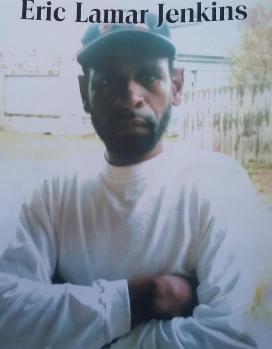
Eric Lamar Jenkins, a 38-year-old Black man, was found dead around 4 a.m. on December 30, 2017, near Montgomery Street and West Park Avenue in Savannah, Georgia. In the first hours after he was discovered, police treated the case as a suspicious death, but an autopsy soon changed the course of the investigation by determining that he had been killed by a gunshot wound. What began as a grim discovery on a winter morning quickly became a homicide case, with violent-crimes detectives working to piece together what had happened in the darkness before dawn.
As investigators dug deeper, they identified Deborah Garner as the shooter. Police later said the killing happened after Garner had been kicked out of a local bar, and that Jenkins was shot on the street in the area where officers later found him. The case did not end in Savannah that week. Detectives tracked Garner out of state, and on February 28, 2018, she was located in Kentucky and taken into custody by Fort Knox Military Police. Savannah detectives then traveled there to serve the murder warrant, and the investigation expanded with the help of the U.S. Marshals Service and Louisville Metro Police.
The criminal case against Garner continued to build after her arrest. In April 2018, prosecutors announced that she had been indicted in connection with Jenkins’s killing. The indictment included two felony murder charges, two counts of possession of a firearm during the commission of a felony, and an aggravated assault charge. By that point, the case had moved beyond the question of who pulled the trigger and into the larger courtroom fight over how the shooting would be judged.
Years later, that fight ended with a conviction. In May 2023, Garner was found guilty of malice murder and felony murder in the death of Eric Lamar Jenkins. Prosecutors said she shot him without justification, rejected her claim that she had acted in self-defense, and told the court that she fled after the shooting, tried to clean blood from her car, and went to South Carolina. She was sentenced to life in prison with the possibility of parole. In the end, the case that opened with a body on a Savannah street closed with a jury and a life sentence, giving Jenkins’s death a legal conclusion after years of investigation and prosecution.